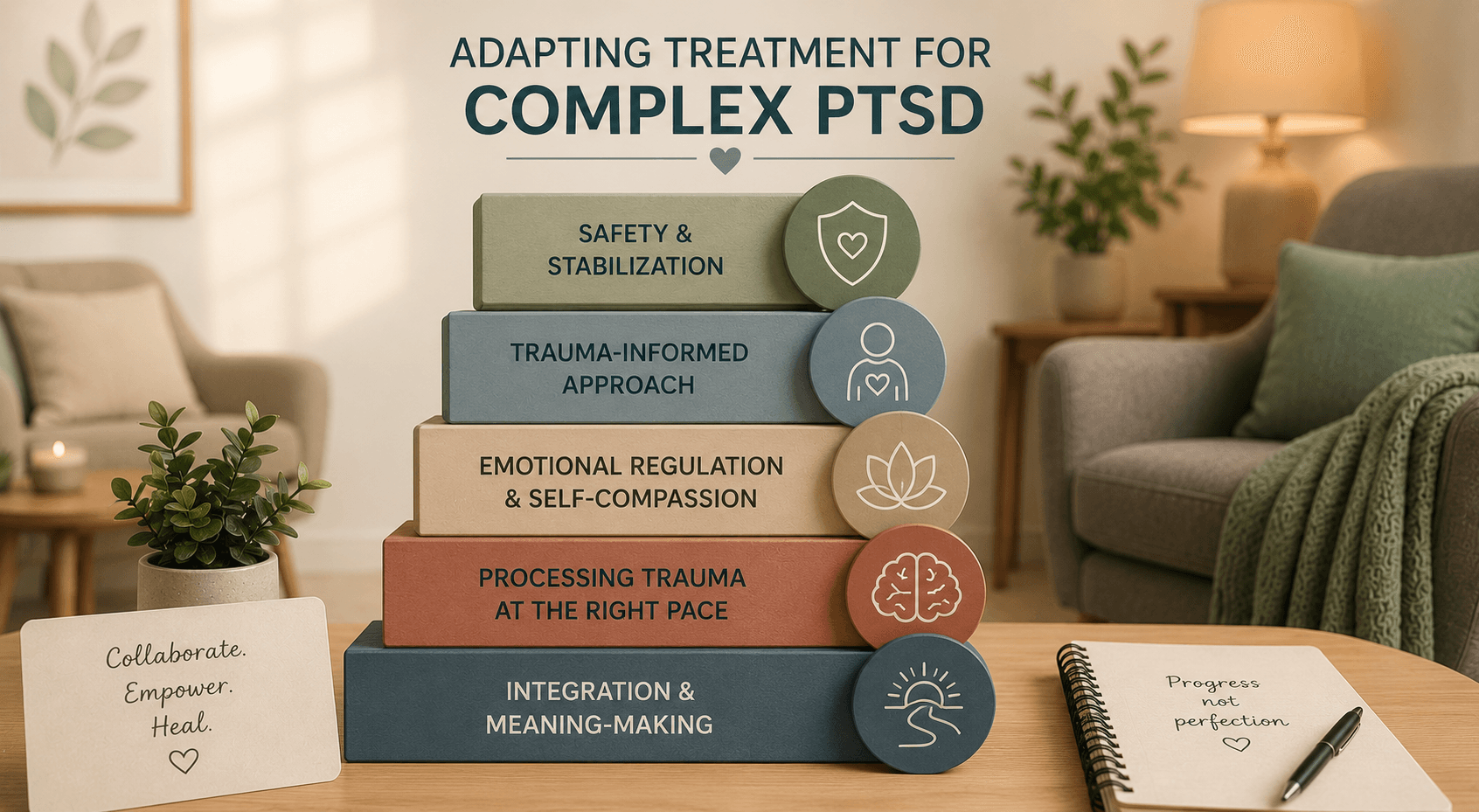
- Emotional safety is not about avoiding difficulty; it is about helping clients feel supported as they face challenges.
- The first session shapes the therapeutic alliance and sets the tone for all future work.
- Simple, client-centered actions such as acknowledging bravery, listening before responding, and letting clients set the pace make a significant difference.
- Non-verbal cues including posture, tone, and presence communicate safety just as powerfully as words.
- Continuing education for counselors can help clinicians consistently create emotionally safe therapeutic environments from the very first contact.
Walking into therapy for the first time is a significant step. Most clients arrive carrying nerves, hope, and sometimes old wounds from past experiences where they felt unheard. Therapists show up with their own mix of anticipation and responsibility. We want to help, and we know the first session can shape everything that follows.
Emotional safety is not about keeping things comfortable or avoiding difficulty. Therapy will be challenging at times. Feelings will surface, old memories may emerge, and that is completely normal. What makes the difference is whether clients feel genuinely supported as they face those moments. When they do, meaningful therapeutic work becomes possible.
What Emotional Safety Feels Like for Clients
Emotional safety is not abstract; clients experience it in concrete ways. It shows up as:
- Acceptance: Their feelings matter, no matter how complicated or messy.
- Trust: They sense you are genuinely listening, not evaluating or judging.
- Agency: They feel safe setting their own pace and limits within the session.
A first session that is rushed, dominated by forms, or overly diagnostic can make clients anxious or cause them to disengage. The first meeting is as much about human connection as it is about clinical assessment.
Making the First Session Work
- Start with the person. Greet them, ask how they are feeling, and take a short pause to settle before introducing any intake process.
- Acknowledge their bravery. Saying something like “It takes real courage to be here” validates their effort and creates a moment of genuine recognition.
- Be transparent. Explain the session structure, your role, and confidentiality, including any limitations such as mandatory reporting obligations.
- Listen before responding. Reflect their feelings back to them: “It sounds like that left you feeling unseen.”
- Validate their experience. “That sounds really difficult; it makes complete sense that you feel overwhelmed.”
- Let them set the pace. Encourage pauses and signal that it is safe to revisit topics when they are ready.
Where to Learn More
When clients feel safe, therapy becomes a space to explore, experiment, and grow. That sense of trust strengthens the therapeutic alliance and increases the likelihood of lasting change. Our continuing education for counselors helps you build that environment from the very first session.
Frequently Asked Questions
How do I balance paperwork with building a connection in the first session?
Do not let forms run the session. Greet your client, ask how they are doing, and do a brief check-in before introducing any tablet or clipboard. You might say, “We will get to the paperwork shortly; first, how are you right now?” Folding parts of the intake into natural conversation makes the process feel collaborative rather than transactional.
What if a client shuts down during the first session?
That is a signal, not a failure. Slow down, name what you notice, and give them space: “I notice you have gone quiet, and that is completely okay. We can take a break.” A gentle question such as, “Would you prefer to pause or talk about what is happening right now?” can help. Trust often builds after clients are given explicit permission not to perform.
How do I help clients feel a sense of agency in therapy?
Offer small, meaningful choices throughout the session. Asking “Would you like to start with some background or jump into what brought you in today?” reminds clients that therapy is a collaboration. This approach to client-led pacing is often explored in therapy continuing education courses.
Can emotional safety be rebuilt if the first session did not go well?
Absolutely. The first session matters, but it is not your only opportunity. Showing up consistently with empathy and curiosity, acknowledging any awkwardness, and continuing to check in all contribute to rebuilding trust over time.
What non-verbal signals communicate emotional safety?
Tone and physical presence are powerful. Sit at a comfortable angle, keep your posture open, make gentle eye contact, and slow your pace. Small gestures such as a nod, a soft acknowledgment, or a brief pause tell clients that you are truly present with them.