
We live in an era of “groundbreaking studies.” It seems that every week, a new headline promises a revolution in treating trauma, anxiety, or addiction. For clinicians, this constant stream of new findings is both promising and exhausting. We want to offer our clients the best care possible, but we also know that not all […] Read More…
Intake forms are, in many ways, peculiar instruments. We hand a new client a clipboard or a secure digital link and ask them to reduce their life history to a series of checkboxes. Rate your anxiety from one to ten. Check here if you have a family history of addiction. How many times a week […] Read More…
We like to imagine that the therapy room is a sanctuary where we can set aside our assumptions and offer a genuinely clean slate to every client. But the human brain does not work that way. It is a pattern-recognition engine, constantly sorting experience into categories: safe or unsafe, familiar or foreign, like me or […] Read More…
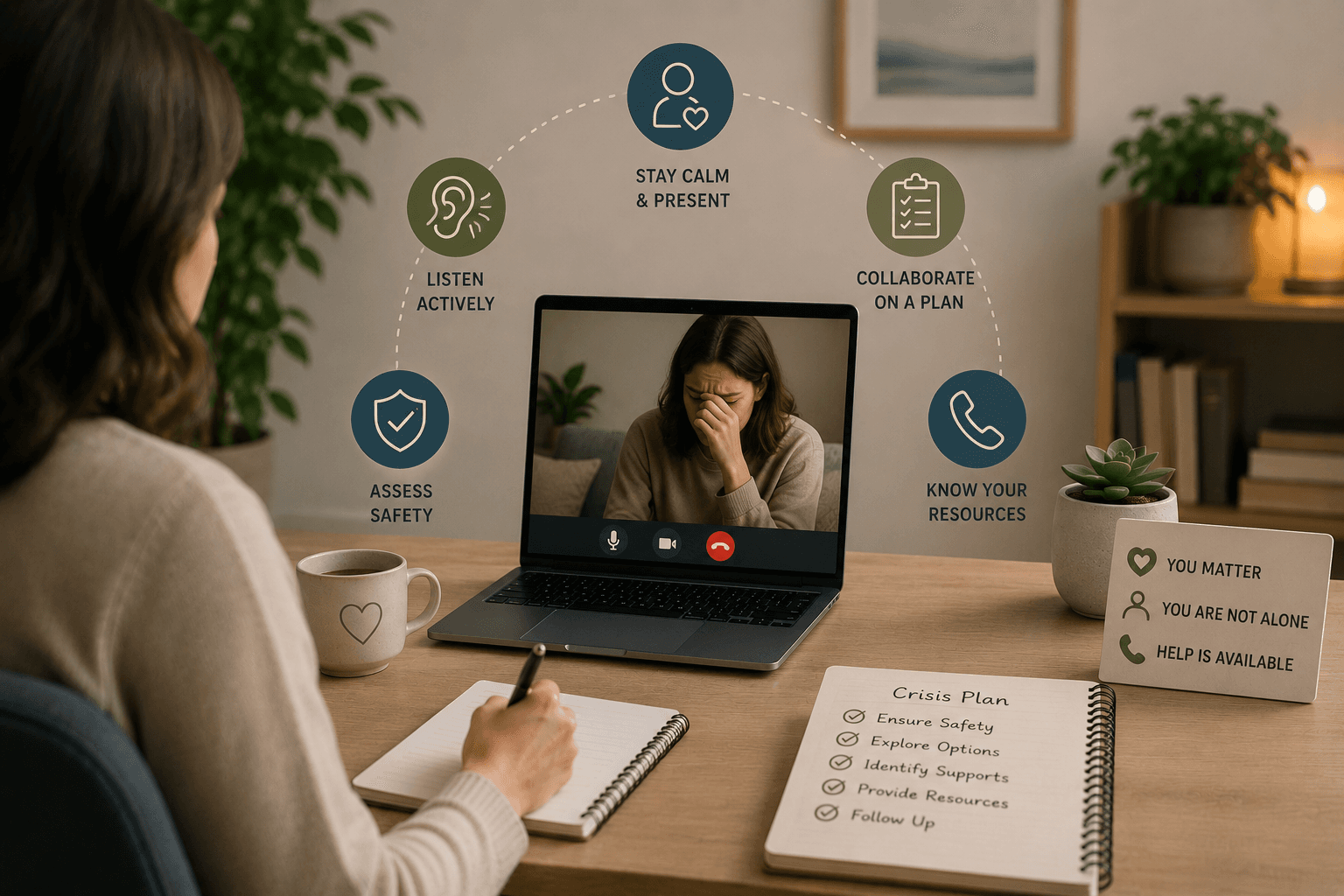
In a physical office, the clinician holds a great deal of environmental control. We know the address, the layout, the nearest hospital, and the exact protocol if a session escalates. We can physically assess how a client presents, intervene if necessary, and manage the environment around us. Telehealth removes that control. The clinician becomes a […] Read More…
Therapy happens behind closed doors. That privacy is essential to client trust, but it creates a specific occupational hazard for the clinician: professional isolation. Psychologists and counselors spend their days navigating complex trauma, ethical gray areas, and high-stakes decisions, often without another professional nearby to offer perspective or a reality check. Over the course of […] Read More…
Most clinicians do not start out thinking about sustainability. In the early years, we take on whoever needs us, fit clients into lunch breaks, and respond to emails late at night. It can feel like part of the commitment. But over time, that approach accumulates weight. There is often a recognisable moment when the work […] Read More…
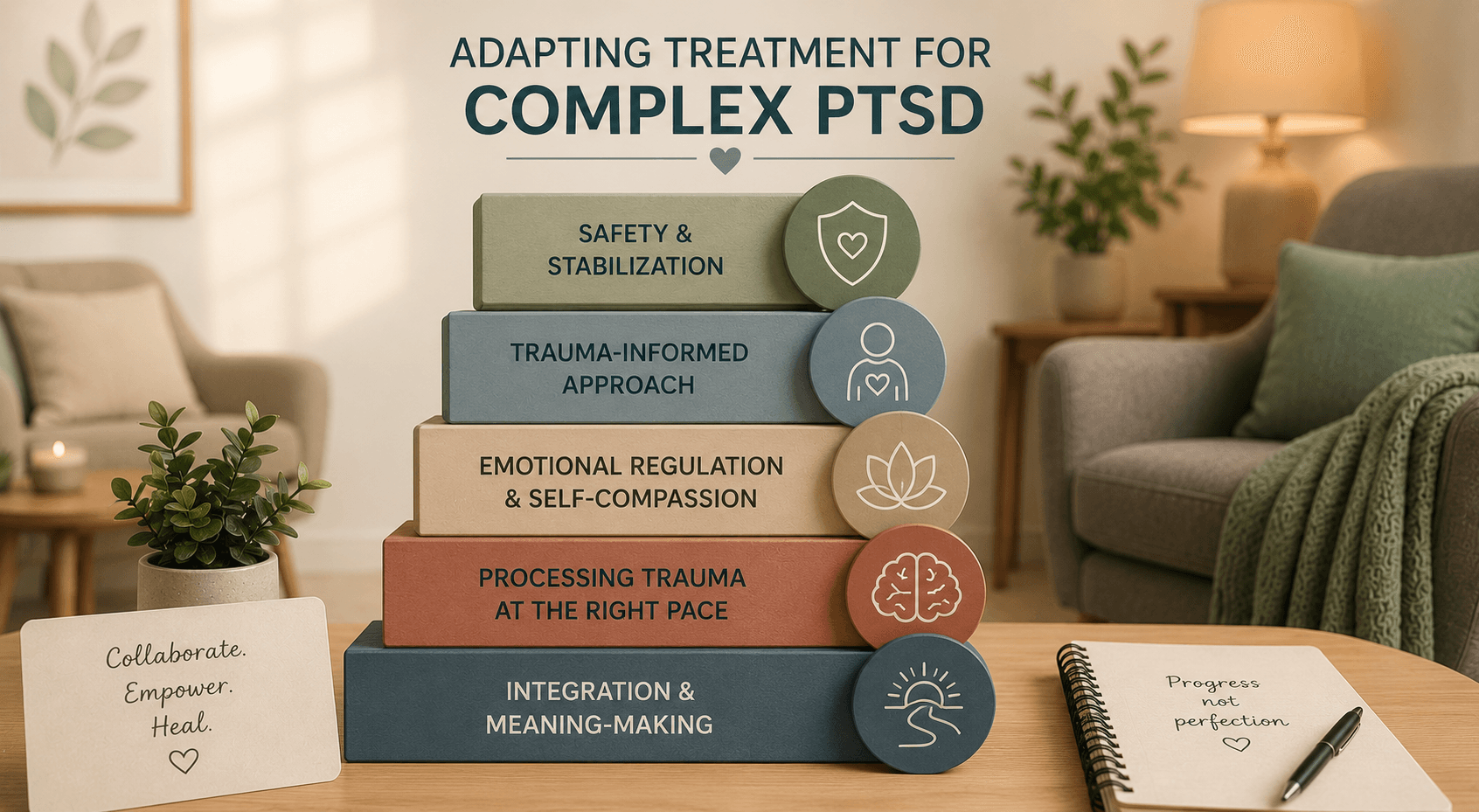
Complex Post-Traumatic Stress Disorder (cPTSD) is not simply “a lot of bad memories.” It lives in the body. It shows up as intense reactions to triggers, dissociation, and profound difficulty with self-soothing. Sessions with clients experiencing cPTSD can feel layered and unpredictable. One wrong step and the therapeutic work can become overwhelming. The role of […] Read More…
If you have been doing trauma work for a while, you have probably noticed this: sometimes the story a client tells does not match what their body is doing. They might say they are “fine” while their jaw is clenched, or describe feeling anxious but struggle to locate where that feeling lives in their body. […] Read More…
There is a moment in clinical work, usually after you have been doing it long enough that others assume you are “used to it,” when you realise the work has started to live in your body. Maybe you sit in your car after a session, hands on the steering wheel, simply staring into the distance. […] Read More…
Walking into therapy for the first time is a significant step. Most clients arrive carrying nerves, hope, and sometimes old wounds from past experiences where they felt unheard. Therapists show up with their own mix of anticipation and responsibility. We want to help, and we know the first session can shape everything that follows. Emotional […] Read More…
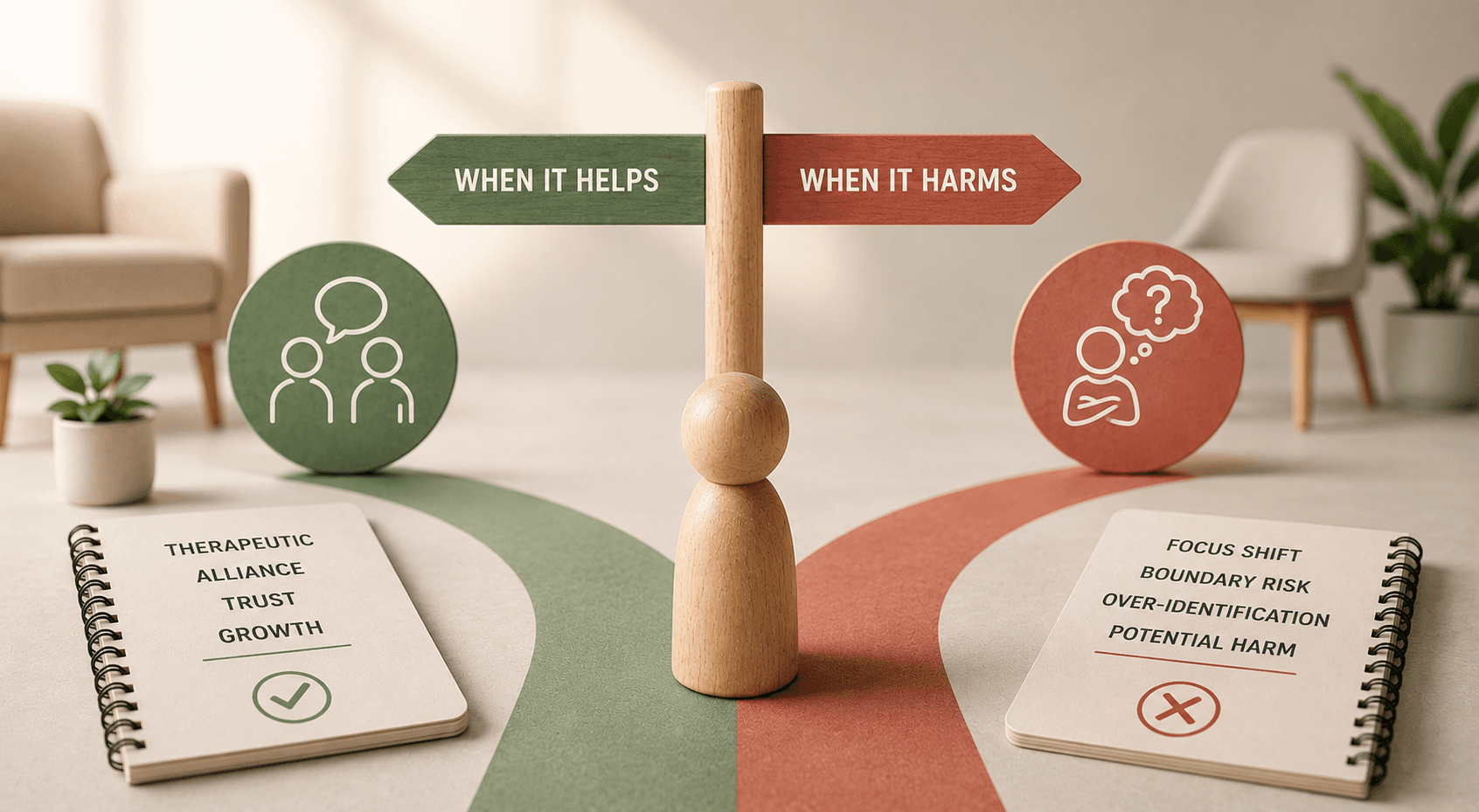
As a therapist, you have probably thought: “Should I share a bit of my own experience with this client?” It is a genuinely complex question. A little sharing can make you more relatable, build trust, and model healthy coping. But if handled poorly, it can upset boundaries, shift focus away from the client, or slow […] Read More…