Reprinted with permission of the Substance Abuse and Mental Health Services Administration www.SAMHSA.gov
U.S. DEPARTMENT OF HEALTH AND HUMAN SERVICES
Substance Abuse and Mental Health Services Administration
Center for Behavioral Health Statistics and Quality
3. Alcohol Use
The National Survey on Drug Use and Health (NSDUH) includes questions about the recency and frequency of consumption of alcoholic beverages, such as beer, wine, whiskey, brandy, and mixed drinks. A “drink” is defined as a can or bottle of beer, a glass of wine or a wine cooler, a shot of liquor, or a mixed drink with liquor in it. Times when the respondent only had a sip or two from a drink are not considered to be consumption. For this report, estimates for the prevalence of alcohol use are reported primarily at three levels defined for both males and females and for all ages as follows:
Current (past month) use – At least one drink in the past 30 days.
Binge use – Five or more drinks on the same occasion (i.e., at the same time or within a couple of hours of each other) on at least 1 day in the past 30 days.
Heavy use – Five or more drinks on the same occasion on each of 5 or more days in the past 30 days.
These levels are not mutually exclusive categories of use; heavy use is included in estimates of binge and current use, and binge use is included in estimates of current use.
This chapter is divided into two main sections. Section 3.1 describes trends and patterns of alcohol use among the population aged 12 or older. Section 3.2 is concerned particularly with the use of alcohol by persons aged 12 to 20. These persons are under the legal drinking age in all 50 States and the District of Columbia.
3.1. Alcohol Use among Persons Aged 12 or Older
- Slightly more than half (51.8 percent) of Americans aged 12 or older reported being current drinkers of alcohol in the 2011 survey, similar to the rate in 2010 (51.8 percent). This translates to an estimated 133.4 million current drinkers in 2011.
- Nearly one quarter (22.6 percent) of persons aged 12 or older participated in binge drinking at least once in the 30 days prior to the survey in 2011. This translates to about 58.3 million people. The rate in 2011 was similar to the rate in 2010 (23.1 percent).
- In 2011, heavy drinking was reported by 6.2 percent of the population aged 12 or older, or 15.9 million people. This percentage was lower than the rate of heavy drinking in 2010 (6.7 percent).
Age
- In 2011, rates of current alcohol use were 2.5 percent among persons aged 12 or 13, 11.3 percent of persons aged 14 or 15, 25.3 percent of 16 or 17 year olds, 46.8 percent of those aged 18 to 20, and 69.7 percent of 21 to 25 year olds (Figure 3.1). These estimates were similar to the rates reported in 2010.
Below is a stacked bar graph. Click here for the text describing this graph.
Figure 3.1 Current, Binge, and Heavy Alcohol Use among Persons Aged 12 or Older, by Age: 2011
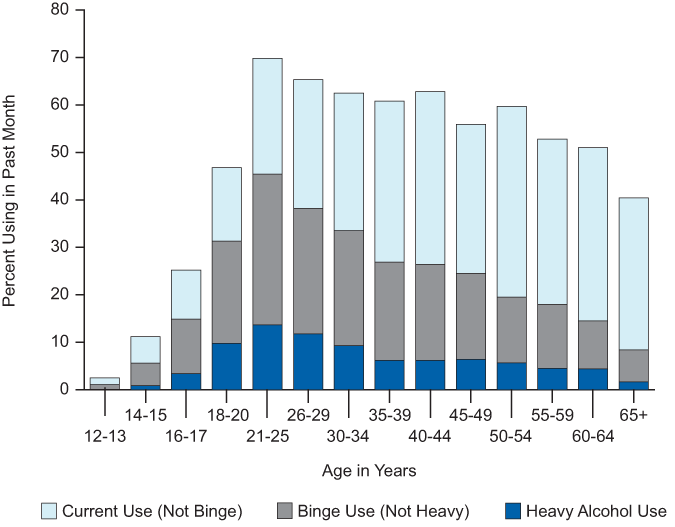
- The prevalence of current alcohol use was lower among 60 to 64 year olds (50.9 percent) and adults aged 65 or older (40.3 percent) than among 26 to 29 year olds (65.3 percent).
- Rates of binge alcohol use in 2011 were 1.1 percent among 12 or 13 year olds, 5.7 percent among 14 or 15 year olds, 15.0 percent among 16 or 17 year olds, 31.2 percent among persons aged 18 to 20, and peaked among those aged 21 to 25 at 45.4 percent. The binge drinking rate for 14 or 15 year olds was lower in 2011 than in 2010 (5.7 and 6.7 percent, respectively).
- The rate of binge drinking in 2011 was 39.8 percent for young adults aged 18 to 25. Heavy alcohol use was reported by 12.1 percent of persons aged 18 to 25, which was lower than the rate in 2010 (13.5 percent).
- The rate of binge drinking among persons aged 65 or older in 2011 was 8.3 percent, while the rate of heavy drinking was 1.7 percent. These rates were similar to the binge and heavy drinking rates in this age group in 2010 (7.6 and 1.6 percent, respectively).
- The rate of current alcohol use among youths aged 12 to 17 was 13.3 percent in 2011. Youth binge and heavy drinking rates were 7.4 and 1.5 percent, respectively. These rates were all similar to those reported in 2010 (13.6, 7.9, and 1.7 percent, respectively).
Gender
- In 2011, an estimated 56.8 percent of males aged 12 or older were current drinkers, which was higher than the rate for females (47.1 percent). However, among youths aged 12 to 17, the percentage of males who were current drinkers (13.3 percent) was similar to the rate for females (13.3 percent).
- Among young adults aged 18 to 25, an estimated 58.1 percent of females and 63.3 percent of males reported current drinking in 2011. The rate for males was lower in 2011 than in 2010 (65.7 percent).
Pregnant Women
- Among pregnant women aged 15 to 44, an estimated 9.4 percent reported current alcohol use, 2.6 percent reported binge drinking, and 0.4 percent reported heavy drinking. These rates were lower than the rates for nonpregnant women in the same age group (55.1, 24.5, and 5.3 percent, respectively). The rate of binge drinking among pregnant women in 2011 and 2010 combined was lower than it was in combined years 2010 and 2009 (2.6 vs. 4.4 percent). All of the estimates by pregnancy status are based on data averaged over 2 years.
Race/Ethnicity
- Among persons aged 12 or older, whites in 2011 were more likely than other racial/ethnic groups to report current use of alcohol (56.8 percent) (Figure 3.2). The rates were 46.9 percent for persons reporting two or more races, 44.7 percent for American Indians or Alaska Natives, 42.5 percent for Hispanics, 42.1 percent for blacks, and 40.0 percent for Asians.
Below is a stacked bar graph. Click here for the text describing this graph.
Figure 3.2 Current, Binge, and Heavy Alcohol Use among Persons Aged 12 or Older, by Race/Ethnicity: 2011
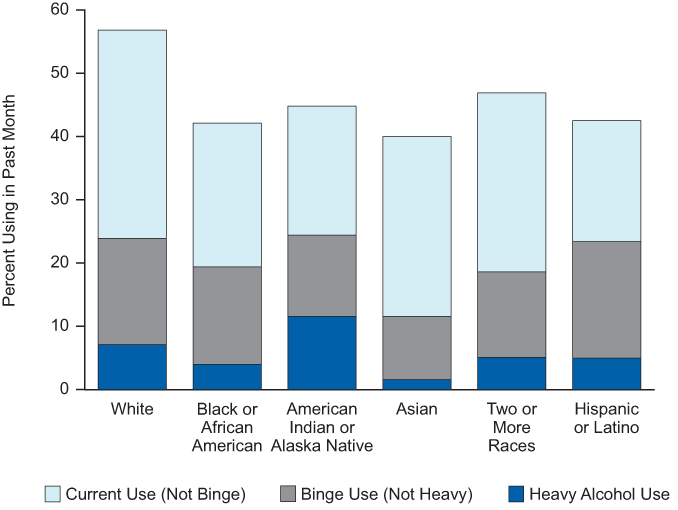
Note: Due to low precision, estimates for Native Hawaiians or Other Pacific Islanders are not shown.
- The rate of binge alcohol use was lowest among Asians (11.6 percent). Rates for other racial/ethnic groups were 18.6 percent for persons reporting two or more races, 19.4 percent for blacks, 23.4 percent for Hispanics, 23.9 percent for whites, and 24.3 percent for American Indians or Alaska Natives.
- Among youths aged 12 to 17 in 2011, Asians had lower rates of current alcohol use than any other racial/ethnic group (7.4 percent), while 10.5 percent of black youths, 12.6 percent of Hispanic youths, 14.6 percent of white youths, 15.2 percent of American Indian or Alaska Native youths, and 17.5 percent of youths reporting two or more races were current drinkers.
Education
- Among adults aged 18 or older, the rate of past month alcohol use increased with increasing levels of education. Among adults with less than a high school education, 35.1 percent were current drinkers in 2011, which was lower than the 68.2 percent of college graduates who were current drinkers.
- Among adults aged 18 or older, rates of binge and heavy alcohol use varied by level of education. Among those with some college education, 26.7 percent were binge drinkers, and 7.9 percent were heavy drinkers. Among those who had graduated from college, rates of binge and heavy drinking were 21.8 and 5.4 percent, respectively.
College Students
- Young adults aged 18 to 22 enrolled full time in college were more likely than their peers not enrolled full time (i.e., part-time college students and persons not currently enrolled in college) to use alcohol in the past month, binge drink, and drink heavily. Among full-time college students in 2011, 60.8 percent were current drinkers, 39.1 percent were binge drinkers, and 13.6 percent were heavy drinkers. Among those not enrolled full time in college, these rates were 52.0, 35.4, and 10.5 percent, respectively.
- The pattern of higher rates of current alcohol use, binge alcohol use, and heavy alcohol use among full-time college students compared with rates for others aged 18 to 22 has remained consistent since 2002 (Figure 3.3).
Below is a line graph. Click here for the text describing this graph.
Figure 3.3 Binge Alcohol Use among Adults Aged 18 to 22, by College Enrollment: 2002-2011
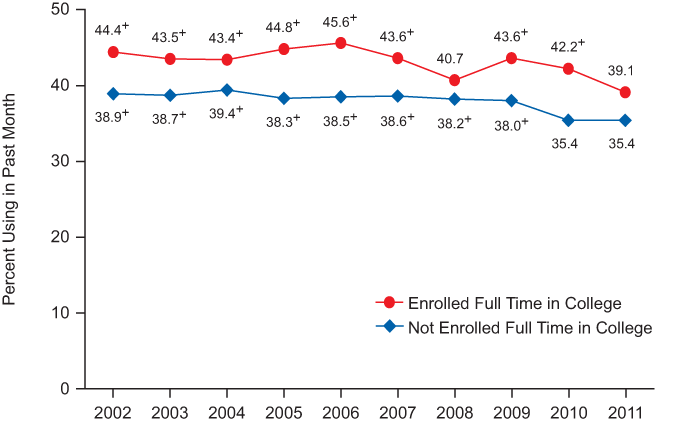
+ Difference between this estimate and the 2010 estimate is statistically significant at the .05 level.
- Among young adults aged 18 to 22, the rate of binge drinking appears to be declining somewhat. In 2002, the binge drinking rate within this age group was 41.0 percent compared with 36.9 percent in 2011. Among full-time college students, the rate decreased from 44.4 to 39.1 percent. Among part-time college students and others not in college, the rate decreased from 38.9 to 35.4 percent during the same time period.
Employment
- The rate of current alcohol use was 64.3 percent for full-time employed adults aged 18 or older in 2011, which was higher than the rate for unemployed adults (54.1 percent). However, the rate of binge drinking among unemployed persons (33.2 percent) was higher than among full-time employed persons (29.5 percent).
- Most binge and heavy alcohol users were employed in 2011. Among 56.5 million adult binge drinkers, 42.1 million (74.4 percent) were employed either full or part time. Among 15.5 million heavy drinkers, 11.6 million (74.9 percent) were employed.
- The rate of heavy alcohol use among unemployed adults in 2011 was lower than the rate in 2010 (9.0 vs. 11.1 percent, respectively).
Geographic Area
- The rate of past month alcohol use for people aged 12 or older in 2011 was lower in the South (48.6 percent) and West (50.7 percent) than in the Northeast (57.1 percent) or Midwest (53.9 percent).
- Among people aged 12 or older, the rates of past month alcohol use in large and small metropolitan areas (54.3 and 51.5 percent, respectively) were higher than in nonmetropolitan areas (43.8 percent). Binge drinking was equally prevalent in large and small metropolitan areas (both 23.1 percent), but was less prevalent in nonmetropolitan areas (20.0 percent).
- The rates of binge alcohol use among youths aged 12 to 17 were 7.3 percent in large metropolitan areas, 7.5 percent in small metropolitan areas, and 7.7 percent in nonmetropolitan areas.
Association with Illicit Drug and Tobacco Use
- As was the case in prior years, the level of alcohol use was associated with illicit drug use in 2011. Among the 15.9 million heavy drinkers aged 12 or older, 31.3 percent were current illicit drug users. Persons who were not current alcohol users were less likely to have used illicit drugs in the past month (4.2 percent) than those who reported (a) current use of alcohol but no binge or heavy use (6.7 percent), (b) binge use but no heavy use (17.2 percent), or (c) heavy use of alcohol (31.3 percent).
- Alcohol consumption levels also were associated with tobacco use. Among heavy alcohol users aged 12 or older, 54.9 percent smoked cigarettes in the past month, while only 18.1 percent of non-binge current drinkers and 15.3 percent of persons who did not drink alcohol in the past month were current smokers. Smokeless tobacco use and cigar use also were more prevalent among heavy drinkers (11.7 and 15.2 percent, respectively) than among non-binge drinkers (1.9 and 4.5 percent) and nondrinkers (1.9 and 2.2 percent).
Driving Under the Influence of Alcohol
- In 2011, an estimated 11.1 percent of persons aged 12 or older drove under the influence of alcohol at least once in the past year (Figure 3.4). This percentage has dropped since 2002, when it was 14.2 percent. The 2011 estimate corresponds to 28.6 million persons.
Below is a bar graph. Click here for the text describing this graph.
Figure 3.4 Driving Under the Influence of Alcohol in the Past Year among Persons Aged 12 or Older: 2002-2011
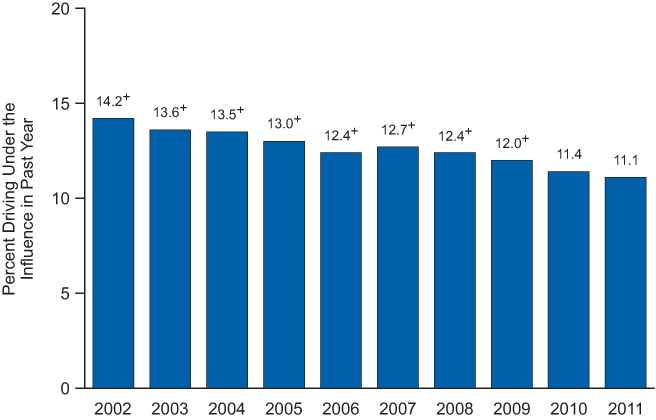
+ Difference between this estimate and the 2011 estimate is statistically significant at the .05 level.
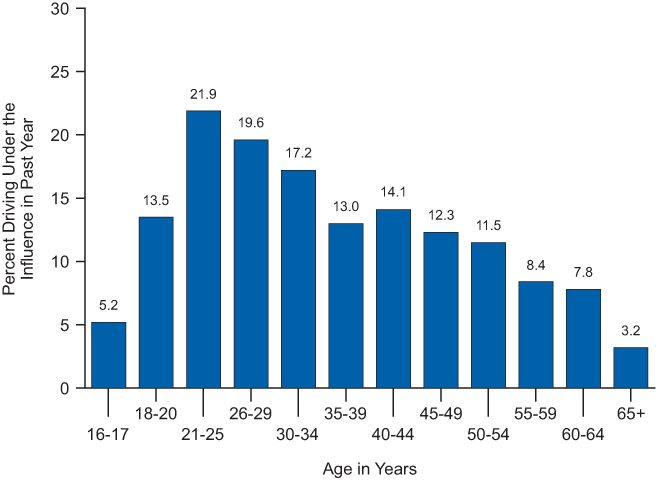
- Driving under the influence of alcohol differed by age group in 2011. The rate was highest among persons aged 21 to 25 (21.9 percent) (Figure 3.5). An estimated 5.2 percent of 16 or 17 year olds and 13.5 percent of 18 to 20 year olds reported driving under the influence of alcohol in the past year. Beyond age 25, these rates showed a general decline with increasing age.
Below is a bar graph. Click here for the text describing this graph.
Figure 3.5 Driving Under the Influence of Alcohol in the Past Year among Persons Aged 16 or Older, by Age: 2011
- Among persons aged 18 to 25, the rate of driving under the influence of alcohol decreased from the rate reported in 2010, from 20.0 to 18.6 percent.
- Among persons aged 12 or older, males were more likely than females (14.6 vs. 7.8 percent) to drive under the influence of alcohol in the past year.
3.2. Underage Alcohol Use
- In 2011, about 9.7 million persons aged 12 to 20 (25.1 percent of this age group) reported drinking alcohol in the past month. Approximately 6.1 million (15.8 percent) were binge drinkers, and 1.7 million (4.4 percent) were heavy drinkers. The rates for binge and heavy drinking were lower than those in 2010 (16.9 and 5.1 percent, respectively).
- Rates of current, binge, and heavy alcohol use among underage persons declined between 2002 and 2011. The rate of current alcohol use among 12 to 20 year olds went from 28.8 percent in 2002 to 25.1 percent in 2011. The binge drinking rate declined from 19.3 to 15.8 percent, and the rate of heavy drinking declined from 6.2 to 4.4 percent.
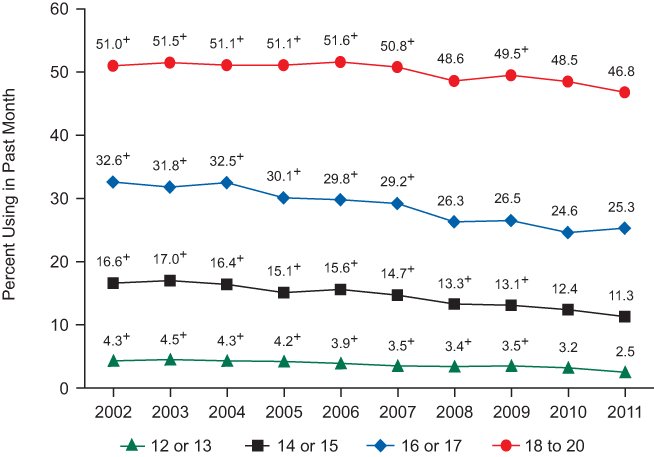
- Rates of current alcohol use increased with age among underage persons. In 2011, 2.5 percent of persons aged 12 or 13, 11.3 percent of persons aged 14 or 15, 25.3 percent of 16 or 17 year olds, and 46.8 percent of 18 to 20 year olds drank alcohol during the 30 days before they were surveyed. This pattern by age has been observed since 2002 (Figure 3.6).
Below is a line graph. Click here for the text describing this graph.
Figure 3.6 Current Alcohol Use among Persons Aged 12 to 20, by Age: 2002-2011
+ Difference between this estimate and the 2011 estimate is statistically significant at the .05 level.
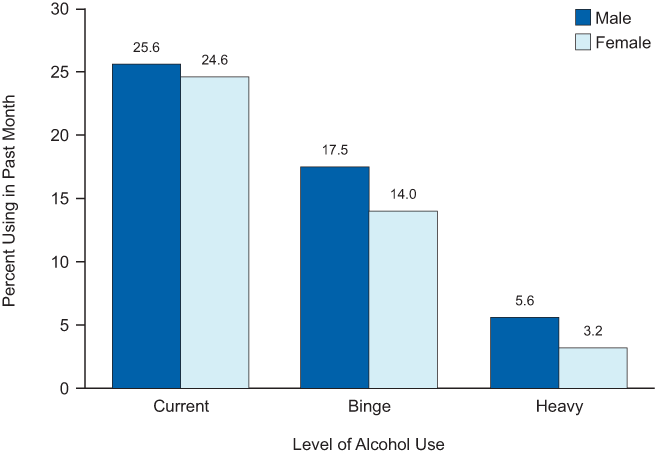
- Males aged 12 to 20 in 2011 were more likely than underage females to be current alcohol users (25.6 vs. 24.6 percent), binge alcohol users (17.5 vs. 14.0 percent), or heavy alcohol users (5.6 vs. 3.2 percent) (Figure 3.7). Rates among underage males for current, binge, and heavy drinking were all lower in 2011 than they were in 2010 (28.1, 19.7, and 6.7 percent, respectively). However, the rates in 2011 among underage females did not differ from the rates in 2010 (24.0, 14.0, and 3.4 percent).
Below is a bar graph. Click here for the text describing this graph.
Figure 3.7 Current, Binge, and Heavy Alcohol Use among Persons Aged 12 to 20, by Gender: 2011
- Among persons aged 12 to 20, past month alcohol use rates in 2011 were 18.1 percent among blacks, 18.8 percent among Asians, 20.0 percent among American Indians or Alaska Natives, 22.5 percent among Hispanics, 27.5 percent among those reporting two or more races, and 28.2 percent among whites.
- In 2011, among persons aged 12 to 20, binge drinking was reported by 18.6 percent of whites, 15.9 percent of persons reporting two or more races, 14.0 percent of Hispanics, and 13.9 percent of American Indians or Alaska Natives. Blacks and Asians in this age group were less likely to report binge drinking (9.4 and 9.1 percent, respectively).
- Across geographic regions in 2011, the underage current alcohol use rate was higher in the Northeast (30.8 percent) than in the Midwest (25.4 percent), West (24.2 percent), and South (22.7 percent).
- In 2011, the underage current alcohol use rate was similar in large metropolitan areas (24.9 percent), small metropolitan areas (26.1 percent), and nonmetropolitan areas (23.5 percent).
- In 2011, 80.8 percent of current drinkers aged 12 to 20 were with two or more other people the last time they drank alcohol, 14.5 percent were with one other person the last time they drank, and 4.7 percent were alone.
- A majority of underage current drinkers in 2011 reported that their last use of alcohol in the past month occurred either in someone else’s home (57.0 percent) or their own home (28.2 percent). Underage females were more likely than males to have been in a restaurant, bar, or club on their last drinking occasion (11.4 vs. 6.6 percent).
- Among underage current drinkers in 2011, 30.3 percent paid for the alcohol the last time they drank, including 7.7 percent who purchased the alcohol themselves and 22.4 percent who gave money to someone else to purchase it.
- In 2011, among underage drinkers who did not pay for the alcohol the last time they drank, the most common source was an unrelated person aged 21 or older (38.2 percent). Other underage persons provided the alcohol on the last occasion for 19.1 percent of underage drinkers. Parents, guardians, or other adult family members provided the last alcohol to 21.4 percent of underage drinkers. Other sources of alcohol for underage drinkers who did not pay included (a) took the alcohol from home (5.9 percent), (b) took it from someone else’s home (3.9 percent), and (c) got it some other way (6.8 percent).
- In 2011, underage drinkers were more likely than current alcohol users aged 21 or older to use illicit drugs within 2 hours of alcohol use on their last reported drinking occasion (20.1 vs. 4.9 percent, respectively). The most commonly reported illicit drug used by underage drinkers in combination with alcohol was marijuana, which was used within 2 hours of alcohol use by 19.2 percent of current underage drinkers (1.8 million persons) on their last drinking occasion.
Next: Tobacco Use
