Reprinted with permission of the Substance Abuse and Mental Health Services Administration www.SAMHSA.gov
U.S. DEPARTMENT OF HEALTH AND HUMAN SERVICES
Substance Abuse and Mental Health Services Administration
Center for Behavioral Health Statistics and Quality
4. Tobacco Use
The National Survey on Drug Use and Health (NSDUH) includes a series of questions about the use of tobacco products, including cigarettes, chewing tobacco, snuff, cigars, and pipe tobacco. Cigarette use is defined as smoking “part or all of a cigarette.” For analytic purposes, data for chewing tobacco and snuff are combined and termed “smokeless tobacco.”
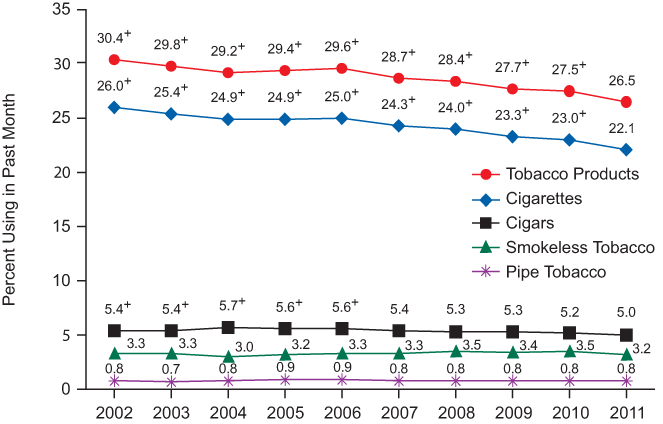
- In 2011, an estimated 68.2 million Americans aged 12 or older were current (past month) users of a tobacco product. This represents 26.5 percent of the population in that age range. Also, 56.8 million persons (22.1 percent of the population) were current cigarette smokers; 12.9 million (5.0 percent) smoked cigars; 8.2 million (3.2 percent) used smokeless tobacco; and 2.1 million (0.8 percent) smoked tobacco in pipes (Figure 4.1).
Below is a line graph. Click here for the text describing this graph.
Figure 4.1 Past Month Tobacco Use among Persons Aged 12 or Older: 2002-2011
+ Difference between this estimate and the 2011 estimate is statistically significant at the .05 level.
- The rate of current use of any tobacco product among persons aged 12 or older decreased from 27.5 percent in 2010 to 26.5 percent in 2011. The rate of current use of cigarettes also declined during the same period (from 23.0 to 22.1 percent). Use of smokeless tobacco, cigars, and pipe tobacco did not change significantly over that period. Between 2002 and 2011, past month use of any tobacco product decreased from 30.4 to 26.5 percent, past month cigarette use declined from 26.0 to 22.1 percent, and past month cigar use declined from 5.4 to 5.0 percent. Rates of past month use of smokeless tobacco and pipe tobacco were similar in 2002 and 2011.
Age
- In 2011, young adults aged 18 to 25 had the highest rate of current use of a tobacco product (39.5 percent) compared with youths aged 12 to 17 and adults aged 26 or older (10.0 and 26.3 percent, respectively). Young adults had the highest usage rates of each of the specific tobacco products as well. In 2011, the rates of past month use among young adults were 33.5 percent for cigarettes, 10.9 percent for cigars, 5.4 percent for smokeless tobacco, and 1.9 percent for pipe tobacco.
- The rate of current use of a tobacco product by young adults declined from 40.9 percent in 2010 to 39.5 percent in 2011. Between 2002 and 2011, there was a significant decrease in the rates for current use of tobacco products and cigarettes among young adults; in 2002, the rates were 45.3 and 40.8 percent, respectively. The rate of current use of pipe tobacco by young adults increased from 1.1 percent in 2002 to 1.9 percent in 2011.
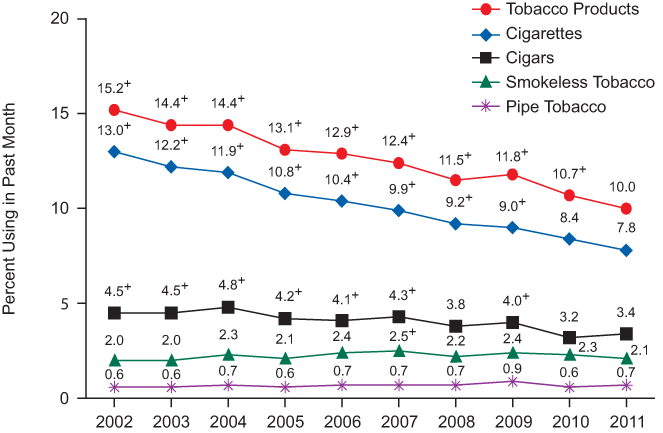
- The rate of past month tobacco use among 12 to 17 year olds declined from 15.2 percent in 2002 to 10.0 percent in 2011, including a decline from 2010 (10.7 percent) to 2011 (Figure 4.2). The rate of past month cigarette use among 12 to 17 year olds declined from 13.0 percent in 2002 to 9.0 percent in 2009 and to 7.8 percent in 2011. The rate of past month smokeless tobacco use among 12 to 17 year olds remained steady between 2002 and 2011 (2.0 and 2.1 percent, respectively).
Below is a line graph. Click here for the text describing this graph.
Figure 4.2 Past Month Tobacco Use among Youths Aged 12 to 17: 2002-2011
+ Difference between this estimate and the 2011 estimate is statistically significant at the .05 level.
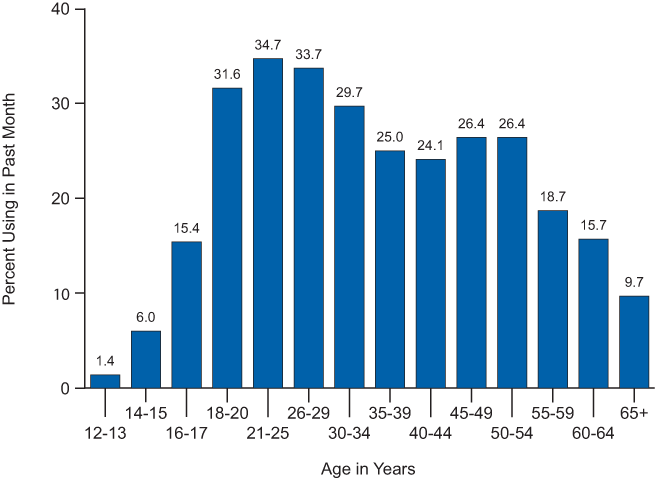
- Across age groups, current cigarette use was highest among persons aged 18 to 20 (31.6 percent), those aged 21 to 25 (34.7 percent), those aged 26 to 29 (33.7 percent), and those aged 30 to 34 (29.7 percent) (Figure 4.3). About one fifth (19.7 percent) of persons aged 35 or older in 2011 smoked cigarettes in the past month.
Below is a bar graph. Click here for the text describing this graph.
Figure 4.3 Past Month Cigarette Use among Persons Aged 12 or Older, by Age: 2011
Gender
- In 2011, current use of a tobacco product among persons aged 12 or older was reported by a higher percentage of males (32.3 percent) than females (21.1 percent). Males also had higher rates of past month use than females of each specific tobacco product: cigarettes (24.3 percent of males vs. 19.9 percent of females), cigars (8.2 vs. 2.0 percent), smokeless tobacco (6.2 vs. 0.4 percent), and pipe tobacco (1.4 vs. 0.3 percent).
- The 2011 rate of any tobacco use by males (32.3 percent) was lower than the rate in 2010 (33.7 percent).
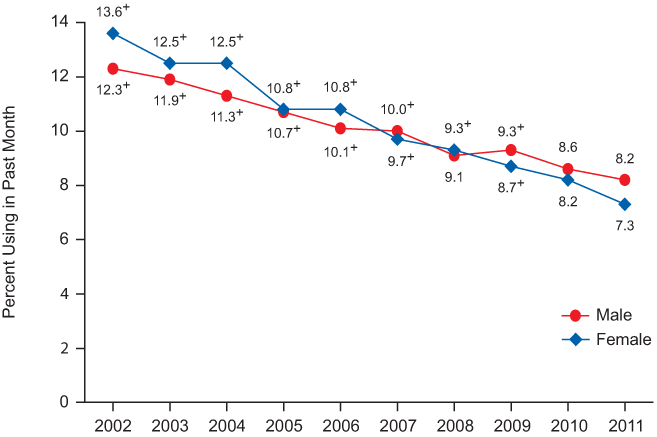
- Among youths aged 12 to 17, the rates of current cigarette smoking in 2011 were similar for males (8.2 percent) and females (7.3 percent) (Figure 4.4). The rates in 2011 for males and females did not differ from corresponding rates in 2010 (8.6 and 8.2 percent, respectively). The prevalence declined from 2009 to 2011 for both males and females. From 2002 to 2011, the rate of current cigarette smoking among youths decreased for both males (from 12.3 to 8.2 percent) and females (from 13.6 to 7.3 percent).
Below is a line graph. Click here for the text describing this graph.
Figure 4.4 Past Month Cigarette Use among Youths Aged 12 to 17, by Gender: 2002-2011
+ Difference between this estimate and the 2011 estimate is statistically significant at the .05 level.
- After declining from 40.4 percent in 2009 to 38.1 percent in 2010, the rate of current cigarette smoking among male young adults aged 18 to 25 held steady in 2011 (38.3 percent). The rate of cigarette smoking declined for female young adults between 2010 and 2011 (from 30.5 to 28.7 percent). Between 2002 and 2011, the rate of cigarette use among young adults declined for both males (from 44.4 to 38.3 percent) and females (from 37.1 to 28.7 percent).
Pregnant Women
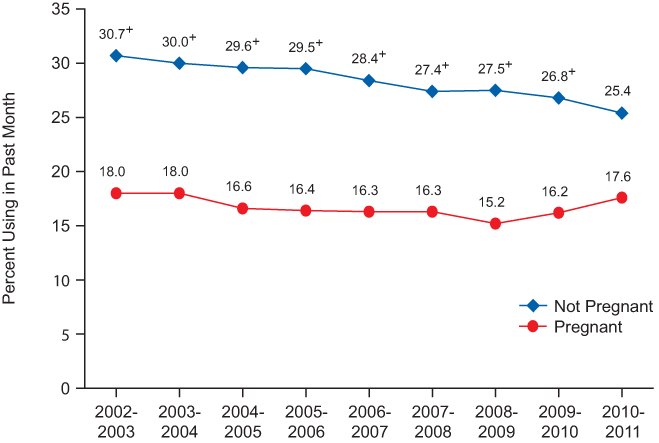
- About one in six pregnant women aged 15 to 44 had smoked cigarettes in the past month, based on combined data for 2010 and 2011. The rate of past month cigarette use was lower among women who were pregnant (17.6 percent) than it was among women who were not pregnant (25.4 percent) (Figure 4.5). This pattern was also evident among women aged 18 to 25 (22.4 vs. 29.9 percent for pregnant and nonpregnant women, respectively) and among women aged 26 to 44 (14.3 vs. 25.7 percent, respectively).
Below is a line graph. Click here for the text describing this graph.
Figure 4.5 Past Month Cigarette Use among Women Aged 15 to 44, by Pregnancy Status: Combined Years 2002-2003 to 2010-2011
+ Difference between this estimate and the 2002-2011 estimate is statistically significant at the .05 level.
- Two-year moving average rates indicate that current cigarette use among women aged 15 to 44 decreased from 30.7 percent in 2002-2003 to 25.4 percent in 2010-2011 for those who were not pregnant (Figure 4.5). However, the prevalence of cigarette use among pregnant women in that age range was similar between 2002-2003 (18.0 percent) and 2010-2011 (17.6 percent).
Race/Ethnicity
- In 2011, the prevalence of current use of a tobacco product among persons aged 12 or older was 13.0 percent for Asians, 20.4 percent for Hispanics, 26.2 percent for blacks, 28.6 percent for whites, 36.1 percent for persons who reported two or more races, and 43.0 percent for American Indians or Alaska Natives. There were no statistically significant changes in past month use of a tobacco product between 2010 and 2011 for any of these racial/ethnic groups.
- In 2011, current cigarette smoking among youths aged 12 to 17 and young adults aged 18 to 25 was more prevalent among whites than blacks (9.3 vs. 4.9 percent for youths and 37.8 vs. 25.7 percent for young adults).
- Among Hispanics, the rate of current cigarette smoking decreased from 7.9 percent in 2010 to 6.1 percent in 2011 for youths aged 12 to 17. Rates of current cigarette smoking were 28.4 percent for young adults aged 18 to 25 and 18.4 percent among those aged 26 or older. Among Hispanics in these two adult age groups, rates of current cigarette use in 2011 were not significantly different from corresponding rates in 2010.
- Current cigarette smoking rates across age groups held steady for Asians between 2010 and 2011. The current cigarette smoking rate for Asian youths aged 12 to 17 was 3.6 percent in 2010 and 3.3 percent in 2011. The rates in 2010 and 2011 for Asian adults were 21.1 and 22.7 percent, respectively, for young adults aged 18 to 25 and were 10.1 and 10.6 percent for those aged 26 or older.
- The prevalence of current cigarette smoking for American Indian or Alaska Native youths aged 12 to 17 was 12.3 percent in 2011. This rate was not significantly different from the rate in 2010 (14.9 percent).
Education
- Since 2002, cigarette smoking in the past month has been less prevalent among adults who were college graduates compared with those with less education. Among adults aged 18 or older, current cigarette use in 2011 was reported by 33.7 percent of those who had not completed high school, 28.3 percent of high school graduates who did not attend college, 25.9 percent of persons with some college, and 11.7 percent of college graduates. These rates were similar to the 2010 rates by educational attainment.
College Students
- Among young adults 18 to 22 years old, full-time college students were less likely to be current cigarette smokers than their peers who were not enrolled full time in college. Cigarette use in the past month in 2011 was reported by 23.8 percent of full-time college students, which was less than the rate of 39.2 percent for those not enrolled full time. The same pattern was found among both males and females in this age range.
- Among males aged 18 to 22 who were full-time college students, the rate of cigarette use remained steady between 2010 and 2011 (27.3 and 26.6 percent, respectively). The rate of past month use of cigars decreased among male full-time college students aged 18 to 22 from 2010 to 2011 (from 18.5 to 14.9 percent).
Employment
- In 2011, current cigarette smoking was more common among unemployed adults aged 18 or older than among adults who were working full time or part time (40.7 vs. 23.3 and 22.9 percent, respectively). Cigar smoking followed a similar pattern, with 8.9 percent of unemployed adults reporting past month use compared with 5.6 percent of full-time workers and 5.8 percent of part-time workers.
- Current use of smokeless tobacco in 2011 was higher among adults aged 18 or older who were employed full time and those who were unemployed (4.3 and 3.5 percent, respectively) than among adults who were employed part time (2.5 percent) and those in the “other” employment category, which includes persons not in the labor force (2.1 percent). These rates were similar to the 2010 smokeless tobacco use rates for these employment categories.
Geographic Area
- In 2011, current cigarette smoking among persons aged 12 or older was lower in the West (18.1 percent) than in the Northeast (22.2 percent), the South (23.2 percent), and the Midwest (24.2 percent). Use of smokeless tobacco was highest in the Midwest (4.3 percent), followed by the South (3.7 percent), then the West (2.4 percent), then the Northeast (1.9 percent).
- As in previous years, the rates of tobacco use in 2011 were associated with county type among persons aged 12 or older. The rate of current cigarette use was 20.4 percent in large metropolitan areas, 22.8 percent in small metropolitan areas, and 26.4 percent in nonmetropolitan areas. Use of smokeless tobacco in the past month in 2011 among persons aged 12 or older was lowest in large metropolitan areas (2.0 percent). In small metropolitan areas, the current smokeless tobacco use rate was 4.0 percent; in nonmetropolitan areas, it was 5.7 percent.
Association with Illicit Drug and Alcohol Use
- Use of illicit drugs and alcohol was more common among current cigarette smokers than among nonsmokers in 2011, as in prior years since 2002. Among persons aged 12 or older, 22.1 percent of past month cigarette smokers reported current use of an illicit drug compared with 4.9 percent of persons who were not current cigarette smokers. Over half of youths aged 12 to 17 (57.6 percent, or 1.1 million youths) who smoked cigarettes in the past month also used an illicit drug compared with 6.1 percent of youths who did not smoke cigarettes.
- Past month alcohol use was reported by 66.5 percent of current cigarette smokers compared with 47.6 percent of those who did not use cigarettes in the past month. The association also was found with binge drinking (42.5 percent of current cigarette smokers vs. 17.0 percent of current nonsmokers) and heavy drinking (15.3 vs. 3.6 percent, respectively).
Frequency of Cigarette Use
- Among the 56.8 million current cigarette smokers aged 12 or older in 2011, 34.5 million (60.7 percent) used cigarettes daily. The percentage of daily cigarette smokers among past month cigarette users increased with age (22.7 percent of past month cigarette users aged 12 to 17, 45.3 percent of those aged 18 to 25, and 66.5 percent of those aged 26 or older).
- The percentage of current smokers who used cigarettes daily decreased from 63.4 percent in 2002 to 60.7 percent in 2011. During the same time period, daily cigarette use among current smokers aged 12 to 17 decreased from 31.8 to 22.7 percent. Daily cigarette use among young adult smokers aged 18 to 25 also declined (from 51.8 to 45.3 percent). Percentages of adult current cigarette smokers aged 26 or older who used cigarettes daily were 68.8 percent in 2002 and 66.5 percent in 2011.
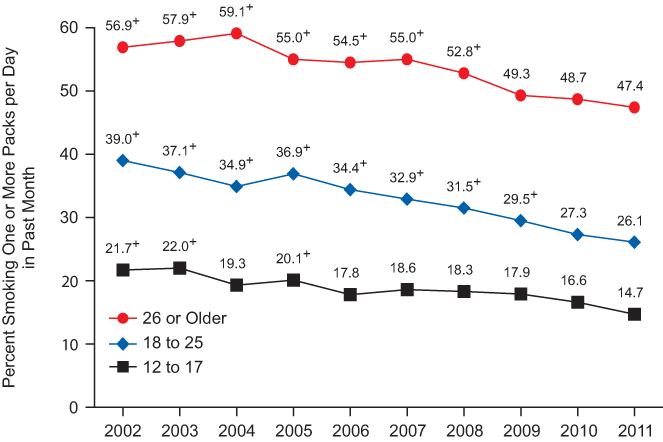
- Less than half (43.8 percent) of daily smokers aged 12 or older reported smoking 16 or more cigarettes per day (i.e., approximately one pack or more). The percentage of daily smokers who smoked at least one pack of cigarettes per day increased with age, from 14.7 percent among of daily smokers aged 12 to 17 to 26.1 percent of those aged 18 to 25, then to 47.4 percent of those aged 26 or older (Figure 4.6).
Below is a line graph. Click here for the text describing this graph.
Figure 4.6 Past Month Smokers of One or More Packs of Cigarettes per Day among Daily Smokers, by Age Group: 2002-2011
+ Difference between this estimate and the 2011 estimate is statistically significant at the .05 level.
- The percentage of daily smokers aged 26 or older who smoked one or more packs of cigarettes per day was lower in 2011 (47.4 percent) than in 2002 to 2008. Declines also were seen from 2002 to 2011 for youths aged 12 to 17 (from 21.7 to 14.7 percent) and young adults (from 39.0 to 26.1 percent).
Next: Initiation of Substance Use