Reprinted with permission of the Substance Abuse and Mental Health Services Administration www.SAMHSA.gov
U.S. DEPARTMENT OF HEALTH AND HUMAN SERVICES
Substance Abuse and Mental Health Services Administration
Center for Behavioral Health Statistics and Quality
5. Initiation of Substance Use
Information on substance use initiation, also known as incidence or first-time use, is important for policymakers and researchers. Measures of initiation are often leading indicators of emerging patterns of substance use. They provide valuable information that can be used to assess the effectiveness of current prevention programs and to focus prevention efforts.
With its large sample size and oversampling of youths aged 12 to 17 and young adults aged 18 to 25, the National Survey on Drug Use and Health (NSDUH) provides estimates of recent or past year initiation of use of illicit drugs, tobacco, and alcohol based on reported age and on year and month at first use. Recent or past year initiates are defined as those who reported use of a particular substance for the first time within 12 months preceding the date of interview. There is a caveat to the past year initiation measure worth mentioning. Because the survey interviews persons aged 12 or older, the past year initiation estimates reflect only a portion of the initiation that occurred at age 11 and none of the initiation that occurred at age 10 or younger. This underestimation primarily affects estimates of initiation for cigarettes, alcohol, and inhalants because they tend to be initiated at a younger age than other substances. See Section B.4.1 in Appendix B for further discussion of the methods and bias in initiation estimates.
This chapter includes estimates of the number and rate of past year initiation of illicit drug, tobacco, and alcohol use among the total population aged 12 or older and by selected age and gender categories from the 2011 NSDUH, comparing with prior year(s). Also included are initiation estimates that pertain to persons at risk for initiation. Persons at risk for initiation of use of a particular substance are those who never used the substance in their lifetime plus those who used that substance for the first time in the 12 months prior to the interview. In other words, persons at risk are those who had never used as of 12 months prior to the interview date. Some analyses are based on the age at the time of interview, and others focus on the age at the time of first substance use. Readers need to be aware of these alternative estimation approaches when interpreting NSDUH incidence estimates and pay close attention to the approach used in each situation. Titles and notes on figures and associated detailed tables document which method applies.
For trend measurement, initiation estimates for each year (2002 to 2011) are produced independently based on the data from the survey conducted that year. Estimates of trends in incidence based on longer recall periods have not been considered because of concerns about their validity (Gfroerer, Hughes, Chromy, Heller, & Packer, 2004).
Regarding the age at first use estimates, means, as measures of central tendency, are heavily influenced by the presence of extreme values in the data for persons aged 12 or older. To reduce the effect of extreme values, the mean age at initiation was calculated for persons aged 12 to 49, leaving out those few respondents who were past year initiates at age 50 or older. Including data from initiates aged 26 to 49 in this broad age group also can cause instability of estimates of the mean age at initiation among persons aged 12 to 49, but this effect is less than that of including data from initiates aged 50 or older. Nevertheless, caution is needed in interpreting these trends for persons aged 12 to 49. Section B.4.1 in Appendix B also discusses this issue. Note, however, that this constraint affects only the estimates of mean age at initiation. Other estimates in this chapter, including the numbers and percentages of past year initiates, are not affected by extreme ages at initiation and therefore are reported for all persons aged 12 or older.
Another important consideration in examining incidence estimates across different drug categories is that substance users typically initiate use of different substances at different times in their lives. Thus, the estimates for past year initiation of each specific illicit drug cannot be added to obtain the total number of overall illicit drug initiates because some of the initiates previously had used other drugs. The initiation estimate for any illicit drug represents the past year initiation of use of a specific drug that was not preceded by use of other illicit drugs. For example, a respondent who reported initiating marijuana use in the past 12 months is counted as a marijuana initiate. The same respondent also can be counted as an illicit drug initiate with marijuana as the first drug only if his or her marijuana use initiation was not preceded by use of any other drug (cocaine, heroin, hallucinogens, inhalants, pain relievers, tranquilizers, stimulants, or sedatives). In addition, past year initiates of lysergic acid diethylamide (LSD), phencyclidine (PCP), or Ecstasy use are counted as past year initiates of any hallucinogen use only if they had not previously used other hallucinogens. Similarly, past year initiates of crack cocaine, OxyContin®, or methamphetamine use are counted as past year initiates for the broader category (i.e., any cocaine, nonmedical use of pain relievers, or nonmedical use of stimulants, respectively) only if they did not report previous use (or nonmedical use) for the broader category.
Initiation of Illicit Drug Use
- In 2011, about 3.1 million persons aged 12 or older used an illicit drug for the first time within the past 12 months; this averages to about 8,400 new users per day. This estimate was not significantly different from the number in 2010 (3.0 million). Over half of initiates (55.5 percent) were younger than age 18 when they first used, and 55.8 percent of new users were female. The 2011 average age at initiation among persons aged 12 to 49 was 18.1 years, which was similar to the 2010 estimate (19.1 years). See Section B.4.1 in Appendix B for a discussion of the effects of older adult initiates on estimates of mean age at first use.
- Of the estimated 3.1 million persons aged 12 or older in 2011 who used illicit drugs for the first time within the past 12 months, a majority reported that their first drug was marijuana (67.5 percent) (Figure 5.1). More than 1 in 5 initiated with nonmedical use of psychotherapeutics (22.0 percent, including 14.0 percent with pain relievers, 4.2 percent with tranquilizers, 2.6 percent with stimulants, and 1.2 percent with sedatives). A notable proportion reported inhalants (7.5 percent) as their first illicit drug, and a small proportion used hallucinogens (2.8 percent). Except for marijuana, all of the above percentages of first illicit drug use were similar to the corresponding percentages in 2010. The percentage whose first illicit drug was marijuana in 2011 was greater than the percentage in 2010 (62.0 percent).
Below is a pie graph. Click here for the text describing this graph.
Figure 5.1 First Specific Drug Associated with Initiation of Illicit Drug Use among Past Year Illicit Drug Initiates Aged 12 or Older: 2011

Note: The percentages do not add to 100 percent due to rounding or because a small number of respondents initiated multiple drugs on the same day. The first specific drug refers to the one that was used on the occasion of first-time use of any illicit drug.
Comparison, by Drug
- In 2011, the specific illicit drug category with the largest number of recent initiates among persons aged 12 or older was marijuana use (2.6 million), followed by nonmedical use of pain relievers (1.9 million), nonmedical use of tranquilizers (1.2 million), Ecstasy (0.9 million), and cocaine and stimulants (0.7 million each) (Figure 5.2).
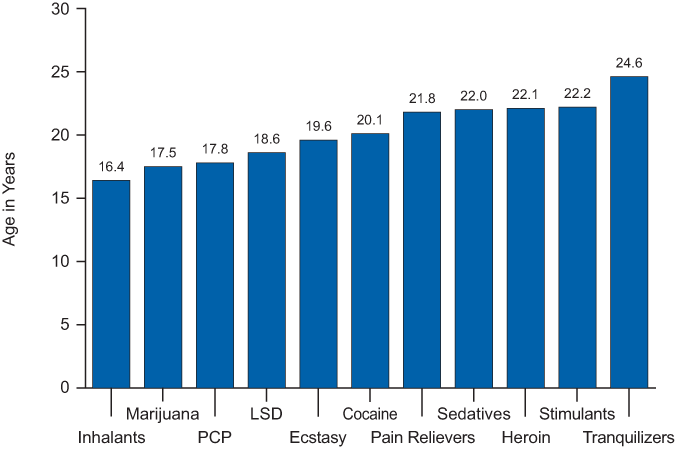
- Among persons aged 12 to 49 in 2011, the average age at first use was 16.4 years for inhalants, 17.5 years for marijuana, 19.6 years for Ecstasy, 20.1 years for cocaine, 21.8 years for pain relievers, 22.1 years for heroin, 22.2 years for stimulants, and 24.6 years for tranquilizers (Figure 5.3).
Below is a bar graph. Click here for the text describing this graph.
Figure 5.2 Past Year Initiates of Specific Illicit Drugs among Persons Aged 12 or Older: 2011
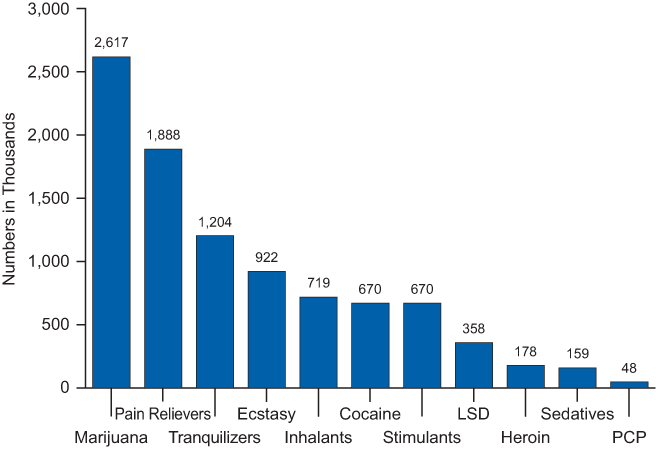
Note: Numbers refer to persons who used a specific drug for the first time in the past year, regardless of whether initiation of other drug use occurred prior to the past year.
Below is a bar graph. Click here for the text describing this graph.
Figure 5.3 Mean Age at First Use for Specific Illicit Drugs among Past Year Initiates Aged 12 to 49: 2011
Marijuana
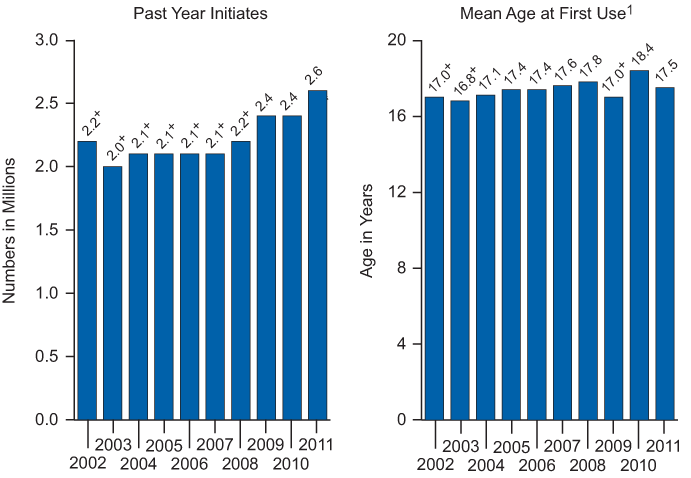
- In 2011, there were 2.6 million persons aged 12 or older who had used marijuana for the first time within the past 12 months; this averages to about 7,200 new users each day. The 2011 estimate was similar to the estimates in 2009 and 2010 (2.4 million each), but higher than the estimates in 2002 through 2008 (Figure 5.4). In 2011, the majority (57.7 percent) of the 2.6 million recent marijuana initiates were younger than age 18 when they first used. Among all youths aged 12 to 17, an estimated 5.5 percent had used marijuana for the first time within the past year, which was similar to the rate in 2010 (5.2 percent).
Below is a set of two bar graphs. Click here for the text describing these graphs.
Figure 5.4 Past Year Marijuana Initiates among Persons Aged 12 or Older and Mean Age at First Use of Marijuana among Past Year Marijuana Initiates Aged 12 to 49: 2002-2011
+ Difference between this estimate and the 2011 estimate is statistically significant at the .05 level.
1 Mean-age-at-first-use estimates are for recent initiates aged 12 to 49.
- In 2011, among persons aged 12 or older, an estimated 1.5 million first-time past year marijuana users initiated prior to the age of 18. This estimate was about the same as the corresponding estimates in 2010 (1.4 million) and 2009 (1.5 million).
- As a percentage of those aged 12 to 17 who had not used marijuana prior to the past year (i.e., those at risk for initiation), the youth marijuana initiation rate in 2011 (6.3 percent) was similar to the rate in 2010 (5.9 percent).
- In 2011, the average age at first marijuana use among recent initiates aged 12 to 49 was 17.5 years, which was similar to the average age in 2010 (18.4 years) and 2004 through 2008, but was higher than the average ages in 2002, 2003, and 2009 (Figure 5.4). Section B.4.1 in Appendix B discusses the potential instability of estimates of older adult initiation and the impact on estimates of mean age at first use.
- In 2011, among recent initiates aged 12 or older who initiated marijuana use prior to the age 21, the mean age at first use was 16.2 years, which was the same as the mean age in 2010.
Cocaine
- In 2011, there were 670,000 persons aged 12 or older who had used cocaine for the first time within the past 12 months; this averages to approximately 1,800 initiates per day. This estimate was similar to the number in 2010 (642,000), 2009 (623,000), and 2008 (724,000). The annual number of cocaine initiates declined from 1.0 million in 2002 to 670,000 in 2011. The number of initiates of crack cocaine declined during this period from 337,000 to 76,000.
- In 2011, most (74.7 percent) of the 0.7 million recent cocaine initiates were 18 or older when they first used. The average age at first use among recent initiates aged 12 to 49 was 20.1 years. The average age estimates have remained fairly stable since 2002.
Heroin
- In 2011, there were 178,000 persons aged 12 or older who had used heroin for the first time within the past 12 months. Although this number was similar to the estimates in 2010 (142,000) and 2009 (187,000), the 2011 estimate was higher than the estimates during 2005 to 2007 (ranging from 90,000 to 108,000 per year). The average age at first use among recent initiates aged 12 to 49 was 22.1 years, which was similar to the 2010 estimate (21.4 years).
Hallucinogens
- In 2011, there were 1.1 million persons aged 12 or older who had used hallucinogens for the first time within the past 12 months (Figure 5.5). This estimate was similar to the estimates from 2006 to 2010 (ranging from 1.1 million to 1.3 million), but was higher than the estimates from 2003 to 2005 (ranging from 886,000 to 953,000).
Below is a line graph. Click here for the text describing this graph.
Figure 5.5 Past Year Hallucinogen Initiates among Persons Aged 12 or Older: 2002-2011

+ Difference between this estimate and the 2011 estimate is statistically significant at the .05 level.
- The number of past year initiates of LSD aged 12 or older was 358,000 in 2011, which was similar to the number in 2010 (381,000), but higher than the estimates from 2003 to 2007 (ranging from 200,000 to 271,000) (Figure 5.5). Past year initiates of PCP decreased from 123,000 in 2002 to 48,000 in 2011.
- The number of past year initiates of Ecstasy was 922,000 in 2011, which was similar to the number in 2010 (949,000), but lower than the number in 2009 (1.1 million) (Figure 5.5). The estimate was 1.2 million in 2002, declined to 642,000 in 2003, and increased by about 50 percent between 2005 (615,000) and 2011 (922,000). Most (61.3 percent) of the recent Ecstasy initiates in 2011 were aged 18 or older at the time they first used Ecstasy. Among past year initiates aged 12 to 49, the average age at initiation of Ecstasy in 2011 was 19.6 years, which was similar to the average age in 2010 (19.4 years), but lower than the average age in 2002 (21.2 years).
- In 2011, among persons aged 12 or older, the number of first-time past year Ecstasy users who initiated use prior to the age of 18 was 357,000. This estimate was higher than the estimate in 2005 (209,000).
Inhalants
- In 2011, there were 719,000 persons aged 12 or older who had used inhalants for the first time within the past 12 months, which was lower than the numbers in prior years from 2002 to 2005 (ranging from 849,000 to 877,000). An estimated 67.1 percent of past year initiates of inhalants in 2011 were under age 18 when they first used. The average age at first use among recent initiates aged 12 to 49 was similar in 2010 and 2011 (16.3 and 16.4 years, respectively).
Psychotherapeutics
- Psychotherapeutics include the nonmedical use of any prescription-type pain relievers, tranquilizers, stimulants, or sedatives. Over-the-counter substances are not included. In 2011, there were 2.3 million persons aged 12 or older who used psychotherapeutics nonmedically for the first time within the past year, which averages to around 6,400 initiates per day. The number of new nonmedical users of psychotherapeutics in 2011 was similar to the 2010 estimate (2.4 million), but was lower than the 2004 estimate (2.8 million). The number of new nonmedical users of pain relievers in 2011 (1.9 million) was lower than the numbers in 2002 through 2005 and in 2008 and 2009 (ranging from 2.2 million to 2.5 million). In 2011, the number of initiates was 1.2 million for tranquilizers, 670,000 for stimulants, and 159,000 for sedatives.
- In 2011, the average age at first nonmedical use of any psychotherapeutics among recent initiates aged 12 to 49 was 22.4 years. More specifically, it was 21.8 years for pain relievers, 22.0 years for sedatives, 22.2 years for stimulants, and 24.6 years for tranquilizers. All of these estimates were similar to the corresponding estimates in 2010.
- In 2011, the number of new nonmedical users of OxyContin® aged 12 or older was 483,000, which was similar to the 2010 estimate of 600,000. The average age at first use of OxyContin® among past year initiates aged 12 to 49 was the same in 2010 and 2011 (22.8 years).
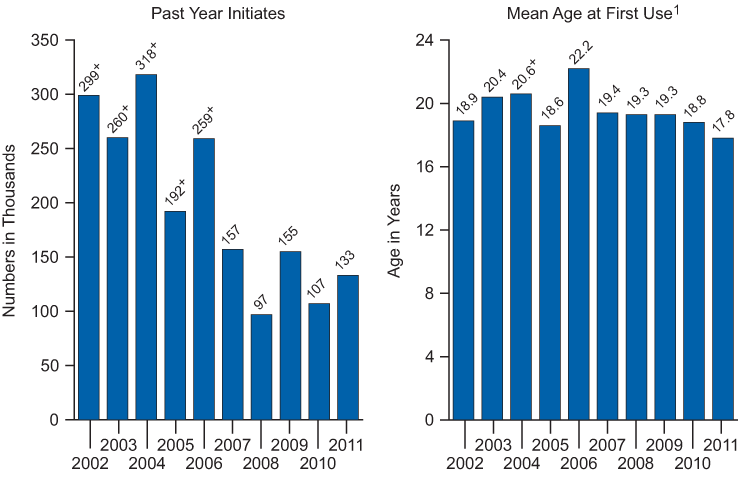
- The number of recent new users of methamphetamine among persons aged 12 or older was 133,000 in 2011 (Figure 5.6), which was similar to the 2010 estimate (107,000), but lower than the 2002 to 2006 estimates (ranging from 192,000 to 318,000). The average age of new methamphetamine users aged 12 to 49 in 2011 was 17.8 years, which was not significantly different from the corresponding estimates for 2002 and 2003 and from 2005 to 2010, but was lower than the 2004 estimate (20.6 years).
Below is a set of two bar graphs. Click here for the text describing these graphs.
Figure 5.6 Past Year Methamphetamine Initiates among Persons Aged 12 or Older and Mean Age at First Use of Methamphetamine among Past Year Methamphetamine Initiates Aged 12 to 49: 2002-2011
+ Difference between this estimate and the 2011 estimate is statistically significant at the .05 level.
1 Mean-age-at-first-use estimates are for recent initiates aged 12 to 49.
Alcohol
- In 2011, there were 4.7 million persons aged 12 or older who had used alcohol for the first time within the past 12 months; this averages to approximately 12,900 initiates per day.
- Most (82.9 percent) of the 4.7 million recent alcohol initiates were younger than age 21 at the time of initiation. Approximately 61.2 percent initiated prior to age 18.
- In 2011, the average age at first alcohol use among recent initiates aged 12 to 49 was 17.1 years, which was the same as the 2010 estimate, but higher than the 2002 to 2006 estimates (ranging from 16.4 to 16.6 years). The mean age at first use among recent initiates aged 12 or older who initiated use prior to the age of 21 was 15.9 years, which was similar to the 2010 estimate of 16.0 years.
Tobacco
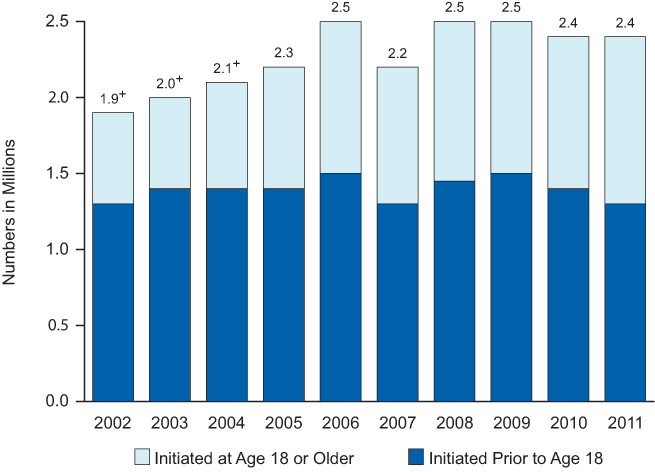
- The number of persons aged 12 or older who smoked cigarettes for the first time within the past 12 months was 2.4 million in 2011, which was the same as the estimate in 2010, but was higher than the estimates for 2002 (1.9 million), 2003 (2.0 million), and 2004 (2.1 million) (Figure 5.7). The 2011 estimate averages out to approximately 6,600 new cigarette smokers every day. The majority of new cigarette smokers in 2011 initiated prior to age 18 (55.7 percent).
Below is a stacked bar graph. Click here for the text describing this graph.
Figure 5.7 Past Year Cigarette Initiates among Persons Aged 12 or Older, by Age at First Use: 2002-2011
+ Difference between this estimate and the 2011 estimate is statistically significant at the .05 level.
- In 2002 and 2011, the numbers of cigarette initiates who were under age 18 when they first used were the same (1.3 million). However, the number of cigarette initiates who began smoking at age 18 or older increased from 623,000 in 2002 to 1.1 million in 2011.
- In 2011, among recent initiates aged 12 to 49, the average age of first cigarette use was 17.2 years, which was similar to the average in 2010 (17.3 years).
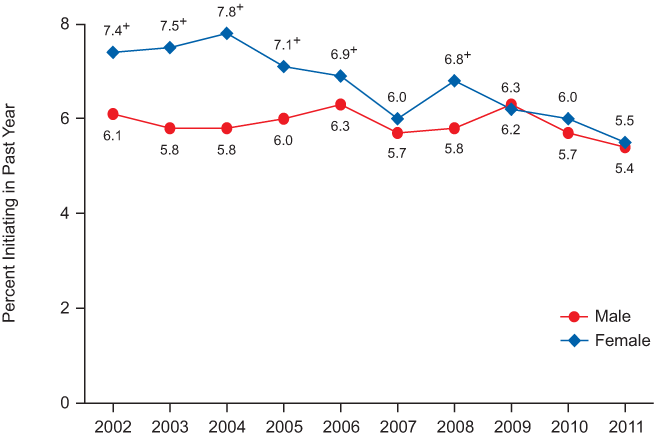
- Of those aged 12 or older who had not smoked cigarettes prior to the past year (i.e., those at risk for initiation), the past year initiation rate for cigarettes was 2.4 percent in 2011, which was similar to the rate in 2010 (2.6 percent). Among youths aged 12 to 17 who had not smoked cigarettes prior to the past year, the incidence rate in 2011 was 5.5 percent, which was similar to the 2010 rate (5.9 percent). Among males aged 12 to 17 who had never smoked prior to the past year, past year initiation rates in 2002 to 2010 were not significantly different from the rate in 2011 (Figure 5.8). However, the past year initiation rate among females aged 12 to 17 who were at risk for initiation was lower in 2011 (5.5 percent) than in 2002 to 2006 or in 2008.
Below is a line graph. Click here for the text describing this graph.
Figure 5.8 Past Year Cigarette Initiation among Youths Aged 12 to 17 Who Had Never Smoked Prior to the Past Year, by Gender: 2002-2011
+ Difference between this estimate and the 2011 estimate is statistically significant at the .05 level.
- In 2011, the number of persons aged 12 or older who had started smoking cigarettes daily within the past 12 months was 878,000. This estimate was similar to the 2010 estimate (962,000), but was lower than the estimates in 2003, 2004, 2006, and 2009 (ranging from 1.0 million to 1.1 million). Of the new daily smokers in 2011, 38.0 percent, or 334,000 persons, were younger than age 18 when they started smoking daily. This figure averages to approximately 916 initiates of daily smoking under the age of 18 every day.
- The average age of first daily smoking among new daily smokers aged 12 or older was 19.1 years in 2010 and 2011. Among males and females, the average age at first use was similar in 2010 and 2011 (18.6 and 19.2 years for males, 19.8 and 19.0 years for females).
- In 2011, there were 2.8 million persons aged 12 or older who had used cigars for the first time in the past 12 months, which was similar to the 2010 estimate (3.0 million). However, the 2011 estimate was lower than the 2005 estimate (3.3 million). Among past year cigar initiates aged 12 to 49, the average age at first use was 19.6 years in 2011, which was similar to the estimate in 2010 (20.5 years).
- The number of persons aged 12 or older initiating use of smokeless tobacco in the past year was 1.3 million in 2011, which was similar to the estimates in 2005 to 2010 (ranging from 1.1 million to 1.5 million). In 2011, over three quarters (77.6 percent) of new initiates were male, and over two fifths (43.7 percent) were under age 18 when they first used.
- In 2011, the average age at first smokeless tobacco use among recent initiates aged 12 to 49 was 19.8 years, which was similar to the 2010 estimate (19.3 years). Among both males and females, the average ages at first use of smokeless tobacco were similar in 2010 and 2011 (19.1 and 20.1 years for males, 19.9 and 18.9 years for females).