Reprinted with permission of the Substance Abuse and Mental Health Services Administration www.SAMHSA.gov
U.S. DEPARTMENT OF HEALTH AND HUMAN SERVICES
Substance Abuse and Mental Health Services Administration
Center for Behavioral Health Statistics and Quality
6. Youth Prevention-Related Measures
Research has shown that substance use by adolescents can often be prevented through interventions involving risk and protective factors associated with the onset or escalation of use (Catalano, Hawkins, Berglund, Pollard, & Arthur, 2002). Risk and protective factors include variables that operate at different stages of development and reflect different domains of influence, including the individual, family, peer, school, community, and societal levels (Hawkins, Catalano, & Miller, 1992; Robertson, David, & Rao, 2003). Interventions to prevent substance use generally are designed to ameliorate the influence of risk factors and enhance the effectiveness of protective factors.
The National Survey on Drug Use and Health (NSDUH) includes questions for youths aged 12 to 17 to measure the risk and protective factors that may affect the likelihood that they will engage in substance use. This chapter presents findings on youth prevention-related measures, comparing the findings from 2002 to 2011. Included are measures of the perceived risk of substance use (cigarettes, alcohol, and illicit drugs), perceived availability of substances, being approached by someone selling drugs, perceived parental disapproval of youth substance use, parental involvement, feelings about peer substance use, involvement in fighting and delinquent behavior, participation in religious and other activities, and exposure to substance use prevention messages and programs. Also presented are findings on the associations between selected measures of risk and protective factors and substance use from NSDUH, although the cross-sectional nature of these data preclude making any causal connections between these risk and protective factors and substance use.
Perceived Risk of Substance Use
One factor that can influence whether youths will use tobacco, alcohol, or illicit drugs is the extent to which they believe these substances might cause them harm. NSDUH respondents were asked how much they thought people risk harming themselves physically and in other ways when they use various substances in certain amounts or frequencies. Response choices for these items were “great risk,” “moderate risk,” “slight risk,” or “no risk.”
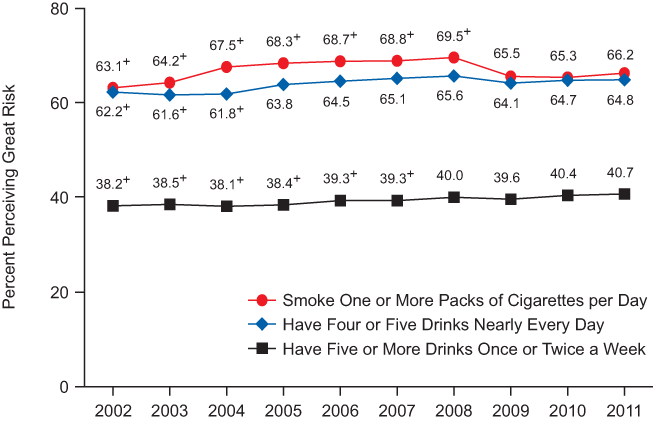
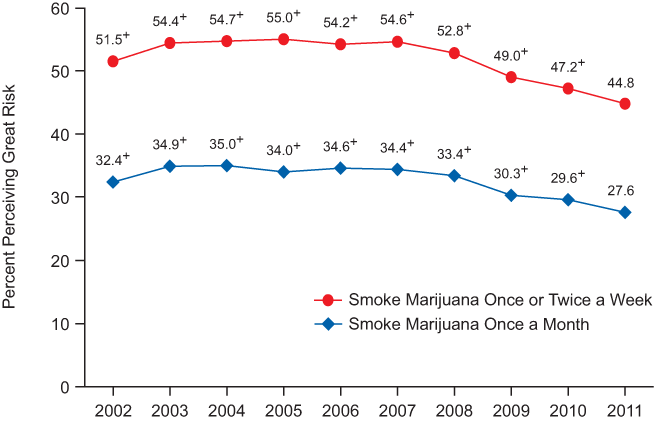
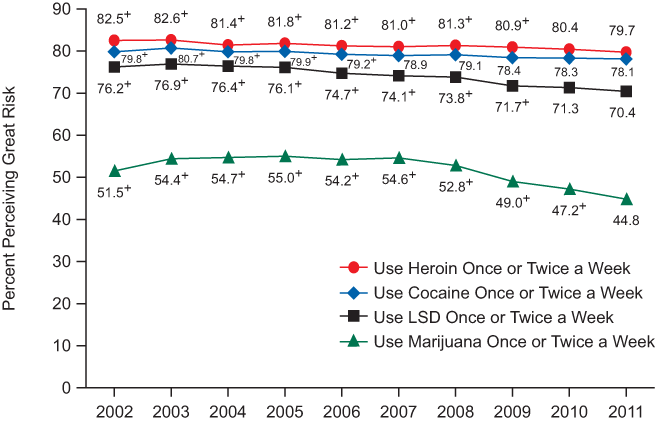
- In 2011, 66.2 percent of youths aged 12 to 17 perceived great risk in smoking one or more packs of cigarettes per day, 64.8 percent perceived great risk in having four or five drinks of an alcoholic beverage nearly every day, and 40.7 percent perceived great risk in having five or more drinks once or twice a week. For marijuana, 44.8 percent of youths perceived great risk in smoking marijuana once or twice a week, and 27.6 percent perceived great risk in smoking marijuana once a month. The percentages of youths who perceived great risk in using other drugs once or twice a week were 79.7 percent for heroin, 78.1 percent for cocaine, and 70.4 percent for LSD.
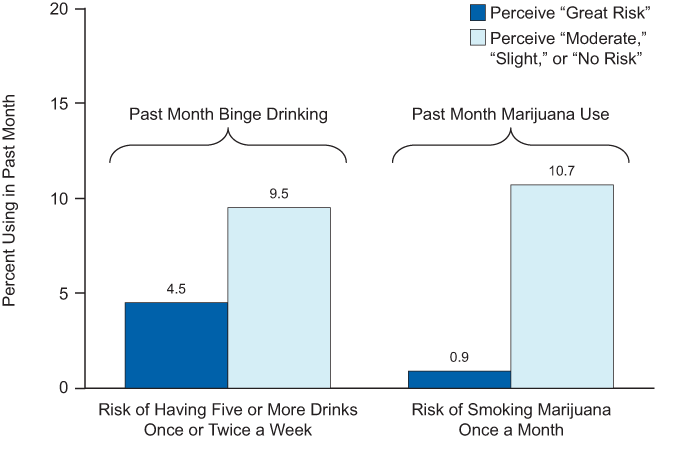
- The percentages of youths reporting binge alcohol use and the use of cigarettes and marijuana in the past month were lower among those who perceived great risk in using these substances than among those who did not perceive great risk. For instance, in 2011, past month binge drinking (consumption of five or more drinks of an alcoholic beverage on a single occasion on at least 1 day in the past 30 days) was reported by 4.5 percent of youths aged 12 to 17 who perceived great risk from “having five or more drinks of an alcoholic beverage once or twice a week,” which was lower than the rate (9.5 percent) for youths who saw moderate, slight, or no risk from having five or more drinks of an alcoholic beverage once or twice a week (Figure 6.1). Past month marijuana use was reported by 0.9 percent of youths who saw great risk in smoking marijuana once a month compared with 10.7 percent of youths who saw moderate, slight, or no risk.
Below is a bar graph. Click here for the text describing this graph.
Figure 6.1 Past Month Binge Drinking and Marijuana Use among Youths Aged 12 to 17, by Perceptions of Risk: 2011
- Trends in substance use often coincide with trends in perceived risk. Increases in perceived risk typically precede or occur simultaneously with decreases in use, and vice versa. For example, the proportion of youths aged 12 to 17 who reported perceiving great risk from smoking one or more packs of cigarettes per day increased from 63.1 percent in 2002 to 69.5 percent in 2008, then declined to 65.5 percent in 2009; this rate remained unchanged between 2009 and 2011 (66.2 percent) (Figure 6.2). Consistent with increases in the perceived risk of cigarette smoking, the rate of past month adolescent cigarette smoking decreased from 13.0 percent in 2002 to 7.8 percent in 2011.
Below is a line graph. Click here for the text describing this graph.
Figure 6.2 Perceived Great Risk of Cigarette and Alcohol Use among Youths Aged 12 to 17: 2002-2011
+ Difference between this estimate and the 2011 estimate is statistically significant at the .05 level.
- The percentage of youths aged 12 to 17 indicating great risk in having four or five drinks of an alcoholic beverage nearly every day increased from 62.2 percent in 2002 to 64.8 percent in 2011 (Figure 6.2). The percentage of youths perceiving great risk in having five or more drinks of an alcoholic beverage once or twice a week increased from 38.2 percent in 2002 to 40.7 percent in 2011. Consistent with these increases in perceived risk among youths aged 12 to 17, there were decreases between 2002 and 2011 in the rates of past month heavy alcohol use (from 2.5 to 1.5 percent) and binge alcohol use (from 10.7 to 7.4 percent).
- The percentage of youths aged 12 to 17 indicating great risk in smoking marijuana once a month decreased from 34.4 percent in 2007 to 27.6 percent in 2011, and the rate of youths perceiving great risk in smoking marijuana once or twice a week also decreased from 54.6 percent in 2007 to 44.8 percent in 2011 (Figure 6.3). Consistent with decreasing trends in the perceived risk of marijuana use, the prevalence of past month marijuana use among youths increased between 2007 (6.7 percent) and 2011 (7.9 percent).
Below is a line graph. Click here for the text describing this graph.
Figure 6.3 Perceived Great Risk of Marijuana Use among Youths Aged 12 to 17: 2002-2011
+ Difference between this estimate and the 2011 estimate is statistically significant at the .05 level.
- Between 2002 and 2011, the percentage of youths aged 12 to 17 perceiving great risk from using a substance once or twice a week declined for the following substances: heroin (from 82.5 to 79.7 percent), cocaine (from 79.8 to 78.1 percent), LSD (from 76.2 to 70.4 percent), and marijuana (from 51.5 to 44.8 percent) (Figure 6.4). The rates remained unchanged between 2010 and 2011 for heroin, cocaine, and LSD, but declined for marijuana (from 47.2 to 44.8 percent). Youths were less likely to perceive great risk for smoking marijuana than for use of the other listed substances.
Below is a line graph. Click here for the text describing this graph.
Figure 6.4 Perceived Great Risk of Use of Selected Illicit Drugs Once or Twice a Week among Youths Aged 12 to 17: 2002-2011
+ Difference between this estimate and the 2011 estimate is statistically significant at the .05 level.
Perceived Availability
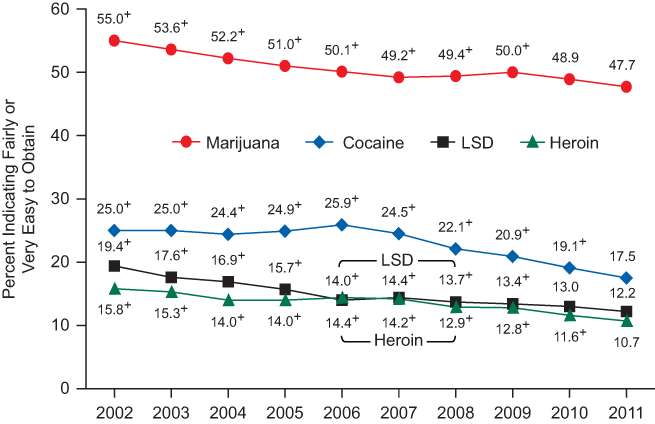
- In 2011, about half (47.7 percent) of youths aged 12 to 17 reported that it would be “fairly easy” or “very easy” for them to obtain marijuana if they wanted some (Figure 6.5). About one in nine (10.7 percent) indicated that heroin would be fairly or very easily available, and 12.2 percent reported so for LSD. Between 2002 and 2011, there were decreases in the perceived easy availability of marijuana (from 55.0 to 47.7 percent), cocaine (from 25.0 to 17.5 percent), crack (from 26.5 to 18.2 percent), LSD (from 19.4 to 12.2 percent), and heroin (from 15.8 to 10.7 percent).
Below is a line graph. Click here for the text describing this graph.
Figure 6.5 Perceived Availability of Selected Illicit Drugs among Youths Aged 12 to 17: 2002-2011
+ Difference between this estimate and the 2011 estimate is statistically significant at the .05 level.
- Youths aged 12 to 17 in 2011 who perceived that it was easy to obtain specific illicit drugs were more likely to be past month users of illicit drugs or marijuana than were youths who perceived that obtaining specific illicit drugs would be fairly difficult, very difficult, or probably impossible. For example, 18.7 percent of youths who reported that marijuana would be easy to obtain were past month illicit drug users, but only 2.8 percent of those who thought marijuana would be more difficult to obtain were past month users. Similarly, 15.7 percent of youths who reported that marijuana would be easy to obtain were past month marijuana users, but only 1.2 percent of those who thought marijuana would be more difficult to obtain were past month users.
- The percentage of youths who reported that marijuana, cocaine, crack, heroin, and LSD would be easy to obtain increased with age in 2011. For instance, 19.3 percent of those aged 12 or 13 said it would be fairly or very easy to obtain marijuana compared with 50.0 percent of those aged 14 or 15 and 70.7 percent of those aged 16 or 17.
- In 2011, 13.8 percent of youths aged 12 to 17 indicated that they had been approached by someone selling drugs in the past month. This rate was similar to the 2010 rate (14.3 percent), but was lower than the rate reported in 2002 (16.7 percent).
Perceived Parental Disapproval of Substance Use
- Most youths aged 12 to 17 believed their parents would “strongly disapprove” of their using substances. In 2011, 89.3 percent of youths reported that their parents would strongly disapprove of their trying marijuana or hashish once or twice; this was similar to the 89.1 percent reported in 2002. Most youths in 2011 (90.5 percent) reported that their parents would strongly disapprove of their having one or two drinks of an alcoholic beverage nearly every day, which was the same as the rate in 2010 and was higher than the rate in 2002 (89.0 percent). In 2011, 93.2 percent of youths reported that their parents would strongly disapprove of their smoking one or more packs of cigarettes per day, which was similar to the rate reported in 2010 (92.6 percent), but was higher than the 89.5 percent reported in 2002.
- Youths aged 12 to 17 who believed their parents would strongly disapprove of their using substances were less likely to use that substance than were youths who believed their parents would somewhat disapprove or neither approve nor disapprove. For instance, in 2011, past month cigarette use was reported by 5.5 percent of youths who perceived strong parental disapproval if they were to smoke one or more packs of cigarettes per day compared with 37.1 percent of youths who believed their parents would not strongly disapprove. Also, past month marijuana use was much less prevalent among youths who perceived strong parental disapproval for trying marijuana or hashish once or twice than among those who did not perceive this level of disapproval (5.0 vs. 31.5 percent, respectively).
Attitudes toward Peer Substance Use
- A majority of youths aged 12 to 17 reported that they disapprove of their peers using substances. In 2011, 91.0 percent of youths “strongly” or “somewhat” disapproved of their peers smoking one or more packs of cigarettes per day, which was similar to the rate of 90.5 percent in 2010, but was higher than the 87.1 percent in 2002. Also in 2011, 80.3 percent strongly or somewhat disapproved of peers using marijuana or hashish once a month or more, which was lower than the 81.5 percent reported in 2010, but was similar to the 80.4 percent reported in 2002. In addition, 88.1 percent of youths strongly or somewhat disapproved of peers having one or two drinks of an alcoholic beverage nearly every day in 2011, which was the same as the rate reported in 2010, but was higher than the 84.7 percent reported in 2002.
- In 2011, past month marijuana use was reported by 2.5 percent of youths aged 12 to 17 who strongly or somewhat disapproved of their peers using marijuana once a month or more, which was lower than the 29.9 percent among youths who reported that they neither approve nor disapprove of such behavior from their peers.
Fighting and Delinquent Behavior
- In 2011, 19.1 percent of youths aged 12 to 17 reported that, in the past year, they had gotten into a serious fight at school or at work; this was lower than the rates in 2010 (20.1 percent) and 2002 (20.6 percent). Approximately one in eight youths (12.2 percent) in 2011 had taken part in a group-against-group fight, which was similar to the rate in 2010 (12.8 percent) and was lower than the rate in 2002 (15.9 percent). About 1 in 30 (3.5 percent) had carried a handgun at least once in the past year in 2011, which was similar to the rates in 2010 (3.1 percent) and 2002 (3.3 percent). An estimated 5.9 percent had, in at least one instance, attacked others with the intent to harm or seriously hurt them in 2011, which was lower than the rates in 2010 (7.2 percent) and 2002 (7.8 percent). An estimated 3.0 percent had sold illegal drugs in 2011, which was similar to the rate of 3.1 percent in 2010, but was lower than the rate in 2002 (4.4 percent). In 2011, 3.8 percent had, at least once, stolen or tried to steal something worth more than $50; this was similar to the rate of 4.0 percent in 2010, but was lower than the rate of 4.9 percent in 2002.
- Youths aged 12 to 17 who had engaged in fighting or other delinquent behaviors were more likely than other youths to have used illicit drugs in the past month. For instance, in 2011, past month illicit drug use was reported by 18.5 percent of youths who had gotten into a serious fight at school or work in the past year compared with 8.0 percent of those who had not engaged in fighting at school or work, and by 45.1 percent of those who had stolen or tried to steal something worth over $50 in the past year compared with 8.7 percent of those who had not attempted or engaged in such theft.
Religious Beliefs and Participation in Activities
- In 2011, 30.7 percent of youths aged 12 to 17 reported that they had attended religious services 25 or more times in the past year, which was similar to the rate in 2010 (30.8 percent), but was lower than the rate in 2002 (33.0 percent). Also, 73.5 percent agreed or strongly agreed with the statement that religious beliefs are a very important part of their lives, which was similar to the rate in 2010 (74.6 percent), but was lower than the 78.2 percent reported in 2002. In 2011, 33.1 percent agreed or strongly agreed with the statement that it is important for their friends to share their religious beliefs, which was similar to the rate in 2010 (32.8 percent), but was lower than the rate in 2002 (35.8 percent).
- The rates of past month use of illicit drugs and cigarettes and binge alcohol use were lower among youths aged 12 to 17 who agreed with these statements about religious beliefs than among those who disagreed. For instance, in 2011, past month illicit drug use was reported by 7.4 percent of those who agreed or strongly agreed that religious beliefs are a very important part of their lives compared with 17.5 percent of those who disagreed with that statement. Similar differences were found between those two subgroups for the past month use of cigarettes and binge alcohol use (5.3 vs. 14.3 percent, and 5.7 and 12.1 percent, respectively).
Exposure to Substance Use Prevention Messages and Programs
- In 2011, approximately one in eight youths aged 12 to 17 (11.7 percent) reported that they had participated in drug, tobacco, or alcohol prevention programs outside of school in the past year. This rate was similar to the 11.5 percent reported in 2010, but was lower than the rate reported in 2002 (12.7 percent). In 2011, the prevalence of past month use did not differ significantly between those who did or did not participate in these programs for illicit drugs (10.8 and 9.9 percent, respectively), marijuana (7.5 and 7.9 percent), cigarettes (6.8 and 7.8 percent), or binge alcohol use (6.9 and 7.5 percent).
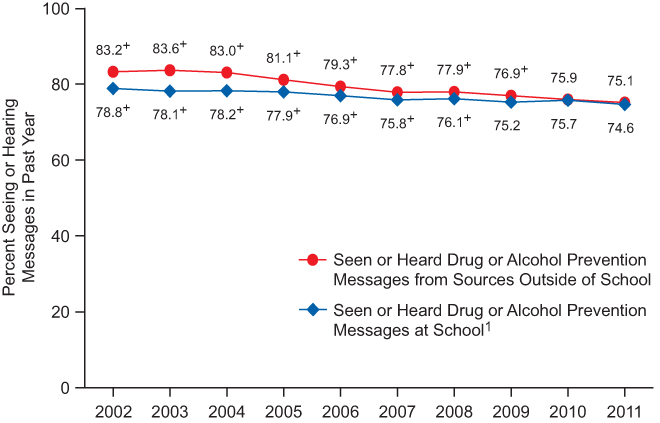
- In 2011, 75.1 percent of youths aged 12 to 17 reported having seen or heard drug or alcohol prevention messages in the past year from sources outside of school, which was similar to the 75.9 percent reported in 2010, but was lower than the 83.2 percent reported in 2002 (Figure 6.6). In 2011, the prevalence of past month use of illicit drugs among those who reported having such exposure (10.0 percent) was not significantly different from the prevalence among those who reported having no such exposure (10.2 percent).
Below is a line graph. Click here for the text describing this graph.
Figure 6.6 Exposure to Substance Use Prevention Messages and Programs among Youths Aged 12 to 17: 2002-2011
+ Difference between this estimate and the 2011 estimate is statistically significant at the .05 level.
1 Estimates are from youths aged 12 to 17 who were enrolled in school in the past year.
- In 2011, 74.6 percent of youths aged 12 to 17 enrolled in school in the past year reported having seen or heard drug or alcohol prevention messages at school, which was similar to the 75.7 percent reported in 2010, but was lower than the 78.8 percent reported in 2002 (Figure 6.6). In 2011, the prevalence of past month use of illicit drugs or marijuana was lower among those who reported having such exposure (9.2 and 7.2 percent for illicit drugs and marijuana, respectively) than among those who reported having no such exposure (13.2 and 10.8 percent).
Parental Involvement
- Youths aged 12 to 17 were asked several questions related to the extent of support, oversight, and control that they perceived their parents exercised over them in the year prior to the survey interview. In 2011, among youths aged 12 to 17 who were enrolled in school in the past year, 69.9 percent reported that their parents limited the amount of time that they spent out with friends on school nights. This was similar to the rate reported in 2010 and remained statistically unchanged from the rate reported in 2002. In 2011, 81.1 percent reported that in the past year their parents always or sometimes checked on whether or not they had completed their homework, and 80.4 percent reported that their parents always or sometimes provided help with their homework. Both of the rates reported in 2011 were similar to the rates in 2010. However, the rate for parents checking on completing homework was higher than in 2002 (78.4 percent), and the rate for parents providing help with homework was lower than the rate in 2002 (81.4 percent).
- In 2011, 88.4 percent of youths aged 12 to 17 reported that in the past year their parents always or sometimes made them do chores around the house, which was similar to the rate in 2010 (88.0 percent), but was slightly higher than the rate in 2002 (87.4 percent). In 2011, 85.9 percent of youths reported that their parents always or sometimes let them know that they had done a good job, and 85.8 percent reported that their parents always or sometimes let them know they were proud of something they had done. These percentages in 2011 were similar to those reported in 2010 and 2002. In 2011, 40.5 percent of youths reported that their parents limited the amount of time that they watched television, which was similar to the rate in 2010 (39.5 percent), but was higher than the 36.9 percent reported in 2002.
- In 2011, past month use of illicit drugs and cigarettes and binge alcohol use were lower among youths aged 12 to 17 who reported that their parents always or sometimes engaged in monitoring behaviors than among youths whose parents seldom or never engaged in such behaviors. For instance, the rate of past month use of any illicit drug was 8.2 percent for youths whose parents always or sometimes helped with homework compared with 18.7 percent among youths who indicated that their parents seldom or never helped. Rates of current cigarette smoking and past month binge alcohol use also were lower among youths whose parents always or sometimes helped with homework (6.3 and 6.1 percent, respectively) than among youths whose parents seldom or never helped (14.3 and 13.8 percent).
Next: Substance Dependence, Abuse, and Treatment